Ivermectin and Mebendazole for Cancer: 700+ Public Case Reports (August 2026 Edition)
Introduction
More recently, ivermectin has garnered attention for its potential role in cancer treatment, particularly in advanced stages where conventional therapies often fall short. This article compiles over 130 case reports, featuring remarkable instances of Stage 4 cancer patients achieving significant tumor regression or even "No Evidence of Disease" (NED) status after integrating ivermectin into their treatment protocols. Although most existing studies remain preclinical and large-scale clinical trials are still lacking, these real-world cases suggest that ivermectin—often combined with other repurposed antiparasitic drugs like fenbendazole—may improve outcomes in cancers traditionally considered incurable.
For completeness, we have also included cancer case studies involving other antiparasitic agents such as fenbendazole and mebendazole. This comprehensive resource aims to support further research and facilitate informed discussions between patients and healthcare professionals about innovative cancer therapies.

Ivermectin and Cancer
Ivermectin and its potential role in cancer treatment have sparked significant interest online. Through our research, we've observed that most studies available are preclinical, with a notable lack of published clinical studies. To assist with further investigation, we have compiled and categorized case reports by cancer type in one place.
Typically, when one adds ivermectin to standard cancer treatment, they might improve their outcome, meaning that the tumor shrinks faster or their cancer biomarkers, such as PSA, CA 125, or CEA drop.
When this occurs in Stage 1, 2, or 3 cancers, it is sometimes difficult to tell whether it was the standard treatment, that is the surgery, chemotherapy, radiation or immunotherapy that produced the benefit. However, when the cancer has progressed to Stage 4, and particularly when it involves one of the often-incurable cancers such as the types in the below table under the “Palliation Only (Metastatic)” category where standard chemotherapy is largely ineffective, it becomes obvious that the repurposed drug made the difference.
 |
| Table Courtesy of Dr. Marik and Cancer Care |
Read some of the stage 4 cancer case reports below. Some achieved NED - the remarkable category of “No Evidence of Disease” where their scans showed no more evidence of cancer. When this occurs in metastatic cancer, it is tantamount to a miracle for those patients and their families.
This collection serves as a resource for researchers and those exploring Ivermectin's potential applications. However, it's vital to consult with qualified medical professionals regarding any treatment decisions.
While conventional medical professionals often regard case reports as anecdotal or lower-quality evidence, they generally prioritize large, double-blinded, randomized placebo-controlled trials (RCTs) as the gold standard. We acknowledge that RCTs provide stronger evidence.
Still, the potential benefits of Ivermectin, coupled with its comparatively low risk profile and cost, warrant serious consideration and further exploration.- Editor's Preface
- Introduction
- Ivermectin, Mebendazole and Fenbendazole Case Series Compilation (alphabetical)
- Breast Cancer Success Stories (128 cases)
- Brain Cancer (including Glioblastoma) (135 cases)
- Bladder Cancer Success Stories (including kidney cancer) (36 cases)
- Cervical Cancer (6 cases)
- Colorectal Cancer (including Appendix cancer) (85 cases)
- Esophageal and Stomach cancer (23 cases)
- Endometrial Cancer (13 cases)
- Gastric (Stomach) cancer (see Esophageal and Stomach Cancer)
- Head and Neck Cancer (17 cases)
- Kidney Cancer Case Series (including urinary (urothelial) bladder cancer)
- Liver and Bile Duct Cancer (Hepato-biliary system) (9 cases)
- Lung Cancer (55 cases)
- Leukemia (13 cases)
- Lymphoma (28 cases)
- Melanoma (refer to Skin Cancer)
- Multiple Myeloma (8 cases)
- Myelodysplastic Syndrome
- Oral Cancer (refer to Head and Neck)
- Ovarian Cancer (17 cases)
- Pancreatic Cancer (47 cases)
- Prostate Cancer (128 cases)
- Sarcoma (8 cases)
- Skin Cancer (16 cases)
- Throat Cancer (refer to 'Head and Neck')
- Thymus cancer (2 cases)
- Thyroid Cancer (4 cases)
- Turbo Cancer (Aggressive Cancer)
- Testicular Cancer
- Uterine cancer (refer to Endometrial Cancer above) (7 cases)
- Others
- Discussion
- Conclusion
 |
| Source: X.com |
.png "Fenbendazole Cancer Success Stories")
Editor's Preface
Introduction: From a Handful to HundredsThis resource brings together publicly available reports, case series, testimonials, and studies involving ivermectin, fenbendazole, and other related repurposed therapies in cancer care. Sources include social media platforms, online patient communities, independent websites, published case reports, peer-reviewed case series, and clinical studies. Visitors can explore the compilation by cancer type and review the number of currently documented patient- and physician-reported outcomes.
The purpose of this compilation is not to establish efficacy or replace professional medical advice, but to preserve and organize patient experiences that may otherwise be difficult to find. Many of these accounts represent real-world experiences that are unlikely to receive attention from large mainstream media organizations or major academic institutions.
Presented in a raw or lightly edited format, these stories offer insight into the diverse paths patients take when navigating cancer. Whether viewed as anecdotal evidence, hypothesis-generating observations, or personal testimonies, they serve as a reminder that patients are not alone in their journey. Shared experiences can provide perspective, encouragement, and a sense of community during some of life's most difficult moments.
It is heartbreaking to know that millions of people around the world face cancer each year—often feeling overwhelmed, frightened, and searching desperately for answers. Too many families are left navigating complex medical information with limited time and few clear options.
That reality is what drove us to begin this work. We have spent countless hours researching, reading, and reviewing both conventional treatments and lesser-known approaches that may not always receive mainstream attention. Along the way, we discovered something powerful: many patients and caregivers are actively sharing their stories, experiences, and lessons learned. These voices deserve to be heard.
So we made a commitment—to gather as many relevant case studies, references, and insights as possible in one place, so that others do not have to search alone.
Our mission is simple: to make information accessible, transparent, and freely available to anyone who needs it. There is no paywall. No gatekeeping. Just open access to research and shared experiences from around the world.
To sustain this platform and continue expanding our work, we may receive a small commission from certain related links—only if you choose to purchase through them, and always at no extra cost to you. Your trust matters to us, and transparency will always remain a priority.
If even one person feels more informed, more empowered, or less alone because of this guide, then this effort has been worthwhile.
- We need larger, high-quality studies before making formal recommendations.
- This is medical misinformation! There is no evidence that fenbendazole works, or its effectiveness is not scientifically proven.
- Case series are 'anecdotals' (not necessarily true or reliable; weak evidence). There are no randomized controlled trials* on fenbendazole and cancer in humans.
- This is ‘false hope.’ If something sounds too good to be true, it probably is.
*RCT methods are 50+ years old... RCT (Randomised Controlled Trial) is a form of scientific experiment used to control factors not under direct experimental control. RCT is considered the 'gold standard' for human research. RCTs were recognised as the standard method in the 20th century. First 'blind experiment' was in 1784 and first published RCT was in 1948 (Wikipedia). The Randomised placebo Controlled Trial (RCT) method for hard evidence is a very expensive and impractical model when it comes to something as complicated as cancer. Most drugs are designed to affect one part of cancer and not the other parts of cancer or even the root causes of cancer. To understand more of this concept, check out 'hallmarks of cancer'. The randomized placebo-controlled trial (RCT)* is widely regarded as the gold standard for generating high-quality evidence in medicine. However, when it comes to cancer, the RCT model is often prohibitively expensive, time-consuming, and sometimes impractical. See "Randomised controlled trials (RCTs), are often costly, slow, and logistically challenging - ChatGPT". RCTs typically focus on evaluating a single intervention under controlled conditions, which does not reflect the complexity and heterogeneity of real-world cancer care (1, 2).
“The cure for cancer? It all started with a single case study.”
Why You’re Reading This Here—Not in Mainstream Media
Most mainstream doctors will dismiss fenbendazole as ineffective. But have they actually read the case reports presented in this article? Most likely, they have not. And if they have, they may dismiss these case reports as biased or of low-quality evidence—implying that more than 180 patient testimonials are simply false. Yet when faced with a stage 4 cancer diagnosis for themselves or a loved one, many may revisit this article for a second look.
You may have also found this article through a social media link rather than mainstream news outlets or major search engines. Why is that?
Unlike traditional platforms, social media allows the rapid sharing of niche or under-represented stories—giving content like this a chance to reach those who might otherwise miss it.
When diagnosed with cancer, most people rely on discussions with family members and doctors. However, they often encounter conflicting recommendations—some professionals support exploring fenbendazole, while others strongly oppose it.
Navigating Fact and FictionSo, what’s fact and what’s fiction? The answer depends on science and research. However, science can be biased, manipulated, or selectively presented to fit a particular narrative. That’s why it’s crucial to do your own research in consultation with a trusted doctor. Many media references rely on outdated studies or cherry-picked data that align with a specific viewpoint.
Note: Do we have any conflicts of interest? Are we trying to sell you something? The information in this article is provided completely free of charge—there’s no need to purchase anything or make any payment to us.
Real Stories, Real HopeThe testimonials you are about to read are from individuals who have bravely shared their experiences in the hope of inspiring and uplifting others. These are raw human accounts, unfiltered by gatekeepers—not peer-reviewed studies—but they offer insights and clues that may be valuable to those searching for better options.
If you or a loved one have a matching cancer subtype, it can be especially compelling to consider trying fenbendazole and/or ivermectin —particularly when dealing with aggressive cancers that have low survival rates, such as triple-negative breast cancer or stage 4 pancreatic cancer.
According to The Cochrane Review’s editor-in-chief, Karla Soares-Weiser (source):
“Lack of evidence of effectiveness is not evidence that the interventions are ineffective… Waiting for strong evidence is a recipe for paralysis. Public health officials must take measured gambles, based on circumstantial evidence from the reviewed studies and other sources. When protecting the public from harm, they must act even when evidence is uncertain (or not of the highest quality), particularly when the harms and costs of such action are likely limited.”
Even if the chance of fenbendazole helping is small, individuals have the right to explore it as an option.
Dr. John Campbell, a health educator with over 3 million YouTube followers, shared (video) a compelling perspective in his video on fenbendazole and ivermectin for cancer:
“People have the right to try. They could try these drugs... and we could track them over time. We could build national cohorts of tens of thousands of patients in no time… then hand it over to statisticians to analyze the data and uncover the mathematical truth. This could be done, and in my view, it should be done.” - Dr John Campbell
"When you've tried everything, sometimes it's the unexpected that brings the miracle." - One Day MD
A Final Word of EncouragementIf you have stage 4 cancer, don’t lose hope. Your story could be the next inspiring success.
“N=1 is the future.” – Michael Snyder, Stanford Medicine (source)
Instead of relying solely on large-scale studies, case reports focus on individuals—allowing people to directly assess how specific interventions affect their unique health profiles in the real world. As Snyder told The Epoch Times, “We are all different, and now we can collect a lot of data on a single person or a few individuals to make very specific recommendations.”
In the end, science evolves. Until then, the right to try belongs to you. |
| Ivermectin Dosage for Humans with Cancer |
 |
| Fenbendazole Dosage for Humans with Cancer |
Ivermectin and Fenbendazole for Cancer Case Series Compilation
The following success stories were gathered from various web and social media sources, providing anecdotal, crowd-sourced information.The list of fenbendazole related cancer case reports below is organised alphabetically by cancer type.
Note on case counts: Totals shown in the TOC above reflect the complete number of cases across each cancer type's dedicated sub-article (where one exists). This main page presents selected representative cases inline; click "Read More" under each section to access the full case series.
Navigation tip: This is a lengthy article. To jump to a specific cancer type, use Command+F (Mac) or Control+F (Windows) to search the case reports or testimonials.
1. Breast Cancer Success Stories (123 Cases)
2. Brain Cancer Success Stories (125 cases)

Ivermectin and mebendazole, both approved for human use, are now available in the U.S.
Researched and approved by Dr. Peter McCullough.
- Prescribed by licensed medical professionals
- Compounded and dispensed by a licensed US-based pharmacy
- Approved for human use
- Lab-tested for potency, with doctor consultation included and free U.S. shipping.
- 99 of 106 verified reviewers gave the combo 5 stars.
3. Bladder Cancer Success Stories (27 cases)
Read More: Fenbendazole and Ivermectin in Kidney-Urinary Cancers: 2021 Stanford University Case Series and More (27 Case Reports)4. Cervical Cancer Success Stories (6 cases)
5. Colorectal Cancer Success Stories (80 cases)
6. Esophageal and Stomach (Gastric) Cancers (11 cases)
7. Endometrial (Uterine) Cancer (11 cases)
8. Gastric (Stomach) Cancer: Fenbendazole and Ivermectin
9. Head and Neck Cancer Success Stories (16 cases)
10. Kidney Cancer Success Stories (27 cases)
11. Liver and Bile Duct Cancer (Hepato-biliary System) Success Stories (9 Cases)
11.1 Liver Cancer Success Stories: Fenbendazole (4 cases)
- Ivermectin 1mg/kg/day
- Mebendazole 1000mg/day
- Melatonin 300mg/day
HCC is extremely difficult to treat and Oncologists have no answer for it.
Case No. 2: September, 2021
I was given less than two years to live in 2020 when I was diagnosed with stage 4 (metastatic) HCC (HepatoCellular Carcinoma) liver cancer. I received radiation directly onto the tumors and went for immunotherapy which did not bring any improvement to my state I was in. My wife and family did research and came across the fenbendazole protocol. I had nothing left to lose, so I decided to give it a try.
Case No. 1: September, 2021
In 2021 the doctor discovered a tumor growth at the end part of my colon. The test results declared a colon tumor with some small lesions on my liver back then. This was a lot to take in considering the thought of having to go through surgery and a colostomy. I have been a super active person for almost all of my life, taking my vitamins on a daily basis as I start my day – I never thought that something like this could ever happen to me.
After I made peace with what was happening inside my body, I gathered myself and started seeking for the best possible advice/guidance out there on any alternative approach other than putting my body through all this stress. I managed to start a protocol on: 1mg FECO, RSO oil which I used on the daily, and supplements at night along with some juicing which includes soursop & green tea, 20000mg Vit D, 5000mg Vit C & Vit K, 800mg grape seed extract, 2100mg ashwagandha, 1950mg curcumin with ginger & black pepper, sea cucumber extract, and 2000mg Fenbendazole on a daily basis (½ in the morning; ½ at before bed).
I never told my doctors about this and continued with treatment alongside the use of this protocol. A few months has passed since I started this journey and I received my results again later that year, showing no presence of any tumor. It completely vanished into thin air! After only four chemo treatments the doctor could not comprehend how the cancer just managed to disappear like that, and so quickly too – considering the time period for chemo to work to be proven to take much longer before it actually starts working.
11.2. Bile Duct Cancer (Cholangiocarcinoma) (5 cases)
IVERMECTIN and MEBENDAZOLE Testimonial - 75 year old FLORIDA man with Intrahepatic Cholangiocarcinoma reports after 3 months: 14cm tumor necrotic inside!
IVERMECTIN, FENBENDAZOLE, CBD Oil Testimonial - 85 year old Toronto, Ontario man with Cholangiocarcinoma (Klatskin Tumor) reports after 4 months - goes from progressing to Complete Remission!
- Ivermectin 64mg/day, then 48mg/day
- Fenbendazole 500mg/day
- CBD Oil 100mg/day
IVERMECTIN and FENBENDAZOLE Testimonial - 48 year old TEXAS woman with Stage 4 Cholangiocarcinoma. "She lasted in Palliative Care Unit twice as long as anyone expected"
- Ivermectin is 1mg/kg/ or 2mg/kg daily
- Fenbendazole is typically 444mg daily
- Melatonin is 100mg-300mg daily" (see note below)


- Adjuvant Chemoradiation and Immunotherapy for Extrahepatic Cholangiocarcinoma and Gallbladder Cancer (2025 JAMA Oncology)
- Ivermectin & Fenbendazole Case Reports - Terminal Bile Duct & Gallbladder Cancer (2024 Dr Justus Hope)
12. Lung Cancer Success Stories (46 Cases)
13. Leukemia (Acute Myelogenous Leukemia (AML) and Chronic Lymphocytic Leukemia (CLL) (10 Cases)
IVERMECTIN and FENBENDAZOLE Testimonial - 56 year old Illinois man with Chronic Myeloid Leukemia (CML) shares his success story!
IVERMECTIN and MEBENDAZOLE Testimonial - 56 year old North Carolina man with CLL Leukemia reports after 8 months - normalization of blood work, Oncologist changes follow-up from 3 to 6 months.
- Ivermectin 1mg/kg/day
- Mebendazole 1000mg/day
- CBD Oil 100mg/day

IVERMECTIN and FENBENDAZOLE Testimonial - 56 year old North Carolina man with Stage 0 Chronic Lymphocytic Leukemia (CLL) normalizes blood counts after 4 months.
- Ivermectin 1mg/kg/day
- Fenbendazole 1000mg/day


A patient with ATL and HTLV-1 infection was successfully stabilized and discharged after a combination of ivermectin and chemotherapy. The authors note that ivermectin may have contributed to disease control, but no firm conclusions can be drawn. (Lai Yuwen et al 2025)
Several patients receiving hematopoietic stem cell transplants or undergoing treatment for leukemia were treated with ivermectin for Demodex or other parasitic infections. In these cases, skin symptoms resolved rapidly, and patients remained stable over the short-to-intermediate term, though direct anticancer effects were not confirmed. (Lai Yuwen et al 2025)
14. Lymphoma Success Stories (25 cases)
- Ivermectin 1.5mg/kg/day
- Fenbendazole 1500mg/day
- Mebendazole 1500mg/day
- Ivermectin 1mg/kg/day
- Fenbendazole 1500mg/day
- CBD Oil 100mg/day
IVERMECTIN, FENBENDAZOLE and IP6 Testimonial - 60 year old Massachusetts man with Stage 4 DLBCL LYMPHOMA metastatic to bones achieves remission in less than 2 months!
We sometimes see incredible responses and in a short period of time!
- Ivermectin 1mg/kg/day
- Fenbendazole 1776mg/day
IVERMECTIN, FENBENDAZOLE, CBD Oil Testimonial - 70 year old Oklahoma man with Stage 4 Follicular Lymphoma metastatic to bones reports after 6 months - Remission!
Stage 4 Cancer to remission, success story after success story.


IVERMECTIN and FENBENDAZOLE Testimonial - 65 year old Canadian Man with T-cell Anaplastic Lymphoma of the tonsils reports after 3 months.
FENBENDAZOLE Testimonial - Wife of UK Architect shares an incredible B-cell Non-Hodgkin Lymphoma success story!
- Ivermectin 1mg/kg/day (increasing to 2mg/kg/day)
- Fenbendazole 1332mg/day
- CBD Oil 100mg/day
- Melatonin 300mg/day
He started to take fenbendazole 1g daily based on self-research (used to take between 1-6 tabs daily based on his symptoms). After 6 months, he cut down fenbendazole to 1-3 tabs daily due to peripheral neuropathy. He presented to his primary care physician who obtained a repeated CT scan which revealed smaller mediastinal lymph nodes. After 2 months, he decided to follow with oncology, so he had repeated PET/CT scan which revealed improved lymphadenopathy from prior scans.
A retired software programmer, Ridgway took long-established, off-patent drugs that are surely not on a typical oncologist’s radar: ivermectin, fenbendazole (a veterinary drug), and colchicine. They cost $400 for six months of treatment. Standard pharmaceuticals for early lymphoma, by contrast, cost an average $12,396 a year in the United States.
Ridgway, who is sixty-five years old, represents a small share of cancer patients who choose alternative care in part because they mistrust profit-driven oncology and dislike the chemo drawbacks. The drugs they take—under the supervision of a physician and sometimes with traditional therapies—are supported by considerable laboratory and animal studies and some human research.
For cases in which the outcomes are known, he prescribed his ivermectin-fenbendazole cocktail to sixteen patients, who almost all had been given one to four weeks to live. Thirteen survived from six to ten months before dying, he said. One near-death pancreatic patient, who had exhausted the gamut of chemotherapy, lasted more than a year.
“It’s difficult to reverse the (chemotherapy) damage,” DeMello said, who has six other cases in various treatment stages.
In two of his first sixteen cases, however, patients bypassed traditional care and went first to DeMello. Rohini Hughes, a fity-three-year-old advanced colon cancer patient, is alive though suffering, twenty months after her remaining time was measured in days. Mike Ridgway, whose cancer was caught early, was given a clean bill of health nearly a year after the disease emerged.
“I cannot overstate how blessed my wife and I feel,” Ridgway said.
Ridgway became friends with DeMello through Facebook, where they shared like-minded views of the flaws of official pandemic policies.
Ridgway’s first inkling that he was facing a serious health problem was in February 2024 after suffering abdominal pain and enlarged lymph nodes. “This PET scan will find cancer anywhere in your body,” the technician told a startled Ridgway.
Indeed, the scan showed “two nodes in the left upper abdominal mesentery that are markedly hypermetabolic, and lymphoma is a primary consideration.”
An oncologist ordered a biopsy, telling Ridgway unequivocally, “The tissue is the issue.”
He turned to DeMello, who “was very, very emphatic against it,” Ridgway said.
“I am convinced that there is no useful role of biopsy (and risk of spreading cancer) especially when a non-invasive test like PET scan can confirm the presence of malignancy,” DeMello explained. “Two huge lymphomas” on Ridgway’s scan were diagnostic for him.
“Unless he had a major infection, with symptoms of fever, high WBC counts, high neutrophil counts,” he said, “the only diagnosis for such huge tumors in the abdomen is malignancy’.”
After that, Ridgway opted to follow the advice of a doctor he respected half a world away.
“It’s nothing short of a miracle that the two of us were in communication when I received my diagnosis for cancer,” he told me.
- Ivermectin 1mg/kg/day
- Fenbendazole 888mg/day going to 1332mg/day
- Ivermectin 1mg/kg/day
- Fenbendazole 444mg/day
- Melatonin 120mg/day
2. 6 months of low dose Ivermectin & Fenbendazole


- Ivermectin 1mg/kg/day
- Mebendazole 200mg/day
- followed by R-CHOP x 2 cycles


Case testimonial from PerilousPeg (X/Twitter):
Dr Makis, my daughter just beat Hodgkin’s lymphoma with these drugs, supplements and a few other lifestyle changes. No chemo. No radiation. I have been telling people who are commenting on her video on TikTok with questions qbout ivermectin and fenbendazole to follow you. pic.twitter.com/4SAUdMFLwE
— PerilousPeg (@PerilousPeg) December 22, 2024

In 2020 my cancer returned, low grade lymphoma in the neck and chest. I refused to go on another course of chemotherapy and followed the Fenbendazole protocol instead. I decided not to inform the doctors on the protocol I will be using as they would argue that it is a crazy belief with no proof of success.
It is almost a year later today that I received my second biopsy and PET scan results coming back completely clear from any disease, meaning there were no signs of lymphoma found from the neck lymph node that was removed.
Case 1: December, 2021
My twin sister was diagnosed with stage 2 non-Hodgkin’s B-cell double hit lymphoma a few years ago, which is known to be a very aggressive cancer out there. She won the battle, but not so long ago found out that the lymphoma has returned.
As a family we had to weigh the options and see what the next best approach is to this fight against cancer and so her journey started on Fenben. Here is a list of the protocol and other supplements she used and still use today:
- Fenbendazole (222mg for the first few months and the increased the doses to 444mg/double)
- CBD
- Curcumin
- Vitamin E
- Additional supplements (recommended by doctors in Mexico)
15. Melanoma
16. Multiple Myeloma (8 cases)
Dr William Makis posted on X (July 2026):
Dr William Makis posted on X (April 2026):
- Complete metabolic resolution of bone lesions
- Normalization of blood work!
Dr William Makis shared on X (December 2025):
IVERMECTIN, MEBENDAZOLE, CBD Oil Testimonial - 52 year old Massachusetts woman with severe Multiple Myeloma and 8cm Plasmacytoma reports after 12 months - she is in Remission!
IVERMECTIN and FENBENDAZOLE Testimonial - 62 year old Ontario man with Multiple Myeloma reports after 3 months - remission!
- Ivermectin 1.0mg/kg/day
- Fenbendazole 1000mg/day
- D + VRD Induction (4 drug combination, standard initial treatment)
- Ivermectin
- Fenbendazole
- DMSO
- Ivermectin 1mg/kg/day
- Mebendazole 1500mg/day
- CBD Oil 50mg/day

17. Myelodysplastic Syndrome
- 24mg Ivermectin (daily)
- 222mg Fenbendazole
18. Oral Cancer
19. Ovarian Cancer Success Stories (18 Cases)
20. Pancreatic Cancer Success Stories (48 cases)
21. Prostate Cancer Success Stories (130 Case Reports)
22. Sarcoma* (8 cases)
*Sarcoma refers to a broad group of cancers that start in the bones and soft tissues. Soft tissues connect, support and surround other body structures. Soft tissues include muscle, fat, blood vessels, nerves, tendons and the lining of the joints. Cancer that starts in the soft tissue is called soft tissue sarcoma.- Ivermectin 1mg/kg/day
- Mebendazole 1500mg/day
- CBD Oil 100mg/day
- Proton Radiation Therapy, no chemo
PEDIATRIC IVERMECTIN and MEBENDAZOLE Testimonial - 12 year old California boy with Stage 4 Sarcoma (Radiation Induced) Reports after 3 months: CANCER FREE!
- Ivermectin 1mg/kg/day
- Mebendazole 1500mg/day
- Oncologist: He had head and neck radiation.
CANCER FREE !! "Improving...last PET and MRI shows no progression, no evidence of disease. Shrinkage and resolution of lymph nodes..." "He is feeling much better" "According to the last PET the cancer has been resolved" How INCREDIBLE is this? Very few people know that Ivermectin and Mebendazole are FDA approved for safe use in children. They are also on the WHO list of "Most essential human medicines" There is also a Pediatric Clinical Trial with Mebendazole in child brain cancers.
In a June 2026 post on X, Dr William Makis wrote: (X.com)
Dr William Makis posted on X.com in June 2026:
"@MakisMD I am trying your protocol on Sarcoma (Leiomyosarcoma) - rapid growth, a few inches a month, stage 4. Mebendazole + Ivermectin - no radio, no chemo no immuno, after a month I noticed it stopped growing and I no longer need blood transfusions. I will keep you updated."
She took the following:
My Take… Spindle Cell Sarcoma is a cancer that’s notoriously difficult to treat. The response rate of chemo is on the order of 20% (which means 80% of patients don’t see ANY improvement). The ones who respond see minimal results. To get tumor shrinkage by 60% and disappearance of multiple lesions is stunning. The chemo was palliative and was not expected to help in this case.
So yes, it wasn't the chemo. Sorry. And these were VERY LOW doses of Ivermectin & Fenbendazole !! I tend to suggest higher doses as cancer killing with Ivermectin & Fenbendazole is dose dependent.


Condition: Alveolar Rhabdomyosarcoma (Bone and Muscle cancer)
When my 13 year old son was diagnosed, I basically became a cancer researcher!
I discovered a few new very promising treatments that are close to being ready for pediatric use, and I also came across Joe Tippen’s story. I joined a couple of large, international Facebook groups related to the Protocol, which are by far the most positive of all of the cancer-related groups I’m in, and have the most success stories. I connected with a mom in the group whose 2 year old has the same type of cancer as my son, which had spread to his lymph nodes during frontline chemotherapy treatment. She started him on Fenben and his next 2 scans so far have been clear!
I would do anything to help my son beat the odds, and I came to the conclusion that it would be far more dangerous NOT to give him repurposed meds than to give them.
My husband supported my decision, but wanted some medical oversight, which we have received from Heal Navigator.
We noticed an improvement in our son’s energy level and general health after just 2 days of giving him the Fenben! He had zero side effects, besides feeling a lot better.
I hope and pray that is a sign that it’s doing what we need it to! If you’re hesitating about getting started, I would encourage you to go for it!
Protocol components used: Fenbendazole , Curcumin, Milk thistle, Ivermectin, Vitamin D3, Claritin, Melatonin, Propranolol, Niclosamide, Mushroom blend, Omega 3, Papaya Leaf Extract as needed to raise blood counts.
Conventional treatments: Radiation, Chemotherapy.
23. Skin Cancer and Melanoma (13 cases)
Case 13 - 2025: 81 year old woman living in Shanghai, China with Stage 4 MelanomaIVERMECTIN and FENBENDAZOLE Testimonial - 81 year old woman living in Shanghai, CHINA with Stage 4 Melanoma, reports after 3 months! Most cancer is gone.
 Ivermectin Paste For Melanoma
frontiersin.org/journals/oncol
Ivermectin Clears Skin Cancers
pmc.ncbi.nlm.nih.gov/articles/PMC75
Ivermectin Use In Dermatology
pmc.ncbi.nlm.nih.gov/articles/PMC83
Speaker: Dr William Makis, MD
Ivermectin Paste For Melanoma
frontiersin.org/journals/oncol
Ivermectin Clears Skin Cancers
pmc.ncbi.nlm.nih.gov/articles/PMC75
Ivermectin Use In Dermatology
pmc.ncbi.nlm.nih.gov/articles/PMC83
Speaker: Dr William Makis, MDIVERMECTIN and MEBENDAZOLE Testimonial - 59 year old Michigan woman with Skin Cancer (SCC and BCC) sees major improvements after 4 months
Initiated Fenbendazole: 222 mg daily. PC begins self-directed therapy.
May 2024: PET-CT: Resolution of clavicular and mediastinal metastases. Persistent para-aortic disease (SUV max 7.04). Unremarkable brain CT.
Fenbendazole 222 mg daily. Significant partial response to fenbendazole monotherapy.
June 8, 2024: Genetic testing confirmed NRAS mutation, CDKN2A gene )p.M53l variant).
June 10, 2024: Blood Panel: Transient elevation of liver enzymes (ALT/AST).
Fenbendazole 222 mg daily. Liver enzyme elevation likely due to tumor lysis; therapy continued.
June 20, 2024: Dose Adjustment: Fenbendazole increased to 444 mg daily (222 mg twice per day). Fenbendazole Dose Escalation. Dose increased to drive further therapeutic response.
Sept 17, 2024: PET-CT: Resolution of cutaneous leg lesion. Further reduction in para-aortic node (SUV max 5.89). No new disease.
Fenbendazole 444 mg daily. Continued favorable response.
Blood Panel: Liver enzymes returned to normal range.
Fenbendazole 444 mg daily. Normalization confirms the transient nature of the enzyme elevation, ruling out hepatotoxicity.
Sept 20, 2024: Immunotherapy Initiated: Began combination therapy with Nivolumab/Relatlimab (monthly infusions).
Immunotherapy Introduced. Standard-of-care immunotherapy added to consolidate gains.
Jan 10, 2025: CT & PET Scans: No nodal or metastatic disease detected. Para-aortic node no longer avid (SUV max 2.3). Clear brain scan.
Immunotherapy complete. Complete Metabolic Response Achieved.
May 15, 2025: Follow-up: PC is active, in excellent health, and remains cancer-free. Immunotherapy-induced colitis fully resolved. No active cancer treatment.
Durable Complete Response.
Case Presentation and Clinical Course
Conclusions: The Foundational Role of Fenbendazole
- Source: https://t.co/WGllfQFysg
- Description: Posted on March 29, 2025, by@MakisMD, this highlights an Australian man with Stage 4 malignant melanoma with metastases to multiple sites. He reportedly achieved a "cancer-free" status after 12 months using ivermectin and fenbendazole.
"As I’ve told you, my wife had stage 4 melanoma with mets to lymph nodes. She started taking ivermectin before you released your protocols, 1mg/kg. Weeks later you published your protocols and I bumped her to 2mg/kg. I added 444 mg of fenbendazole. Her last pet scan was approximately 6 months where she was cancer free. Her oncologist was all smiles, but I never told him I was giving her the protocol. She continues to take .5mg/kg of ivermectin 6x week and 3x week of 444 mg fenbendazole. She was taking immunotherapy for about a year before I read about ivermectin. Her lesions were having moderate response to the immunotherapy per pet scans. After putting her on ivermectin, 45 days later with a pet scan she presented cancer free. We were blown away. I almost cried. Doctor this is the hope you’ve given us. Your stories continue to give my wife confidence. It is like a big dark cloud we lived with was lifted."
IVERMECTIN, FENBENDAZOLE and MEBENDAZOLE Testimonial:


In this December 2024 case report published by Canadian Oncologist Dr. William Makis, we note the pictorial resolution of basal cell cancer [BCC] to the point that the patient may have to cancel his appointment for a planned surgical removal. One cannot surgically remove a basal cell cancer [BCC] that no longer exists.
This gentleman reports he is a long-time reader of Dr. Makis and was particularly interested in his reports of Fenbendazole and Ivermectin. He contracted basal cell cancer on his face in February or March of 2024, and did what most of us would do - he booked an appointment with his GP in June 2024, apparently the first available.
The soonest he could get scheduled for the Dermatology referral was sometime in November. Having nothing to lose, he decided to apply Fenbendazole paste per the articles he had previously read, and to his pleasant surprise the persistent non-healing skin cancer of seven months began to shrink in size.
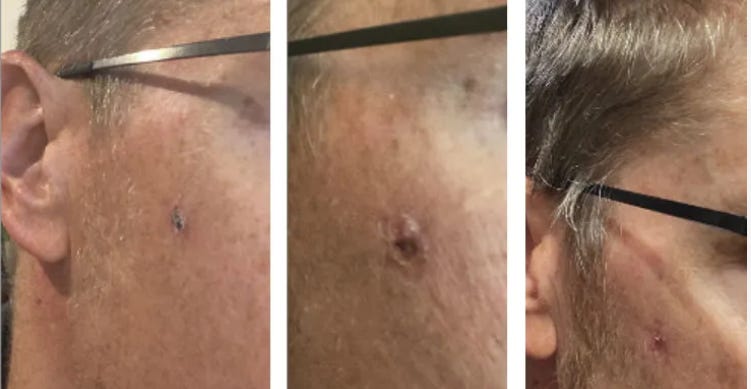 |
| FenBen Treatment from September 25 through October 28, 2024 |
By the time of his November Dermatology appointment, there was very little to biopsy, yet it was done. He reports the Dermatologist was not the least bit interested in his tumor shrinkage with the Fenbendazole paste. Instead, the Dermatologist booked him for a tumor removal appointment three months later in February 2025.
The patient continued to apply the paste for the next month following the November biopsy, and here is what the BCC looked like as of December 6, 2024.
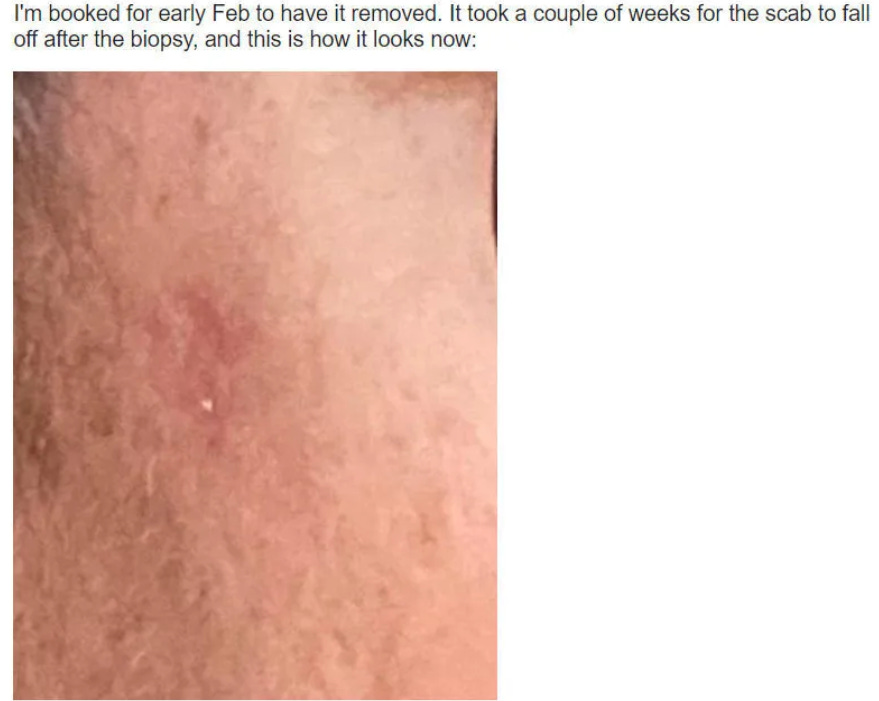
Result of FenBen Topical Treatment from September 25 through December 6, 2024
He writes,
“I’m still treating it once a day with Safeguard 10% Fenbendazole and it seems to still be improving. So I’m undecided about whether I need to have anything removed. I guess I’ll see how it goes over the next while. Maybe it’s deep into the tissue despite having improved the surface cells. No idea.”
Dr. Makis writes in response that patients who take matters into their own hands seem to do better.
 |
| source: https://substack.com/home/post/p-155091883 |

In September 2021, I went to the cancer clinic to get my second PET scan done after receiving the news in March 2021 that I have been diagnosed with cancer, and learnt that day that my tumor has shrunk to half the size it first was. There were still signs of lymph nodes increasing or being classified as unknown results. I continued the use of the fenben protocol along with a whole bunch of other supplements to take on a daily basis, as within 5 months results improved in comparison to a whole year of fighting off the protocol before with little to non improvement in results. I strongly believe in this protocol and in case you wondered – I am not on any chemotherapy/radiation/immunotherapy or any other western medicine use – this is a full on natural and holistic journey I went on, and I am happy to share my current protocol with all cancer patients out there:
- Serrapeptase (at midnight)
- Vit D & K2, Tudca 500mg, Graviola 1ml (on an empty stomach)
- Varies supplementation with breakfast (like Vit C & B complex, probiotics, fish oil, curcumin, etc. along with fenben 888mg)
- Multi-vitamin, turkey tail extract, fenben 888mg, and B17 apricot seed (with dinner)
- Some more other supplements just before bed (like magnesium, Vit C, Graviola, high dose of melatonin, coffee enemas, etc)
- Detox baths (1 x week)
- Frequency music (before bed designed to kill cancer cells)
- Mainly following a plant-based diet
- Protein intake is limited to certain meats
- Fresh whole foods/vegetables
- Healthy fats only
Case 2: October, 2022
In February and March of this year I was diagnosed with stage four melanoma. It had metastasized to my brain, lymph nodes, right lung, adrenal gland and right hip. My daughter pointed me to Joe’s story and this site. I started taking the fenbendazole protocol even before my oncologist gave me her treatment plan using Immuno therapy. The oncologist said that it had about a 30% success rate but not to expect any great results on the first scan after 4 treatments.
I had a PET scan last week and the results were almost too good to be true. Cancer basically gone. The tumor in my right lung had shrunk to less than half the size it was on the first PET scan. The uptake on that tumor decreased from 19.9 to 2.6. I was told by her that an uptake of less than 4.0 is no longer considered as cancerous.
I have been on the fenbendazole protocol for 166 days now. I received 4 immunotherapy injections using 2 different drugs. I can’t say for sure what definitively gave me these great results. Draw your own conclusions but I think the fenbendazole was largely responsible for the great results.
Case 1: January, 2022
At first me and my partner were unsure about trying alternative treatments in addition to the radiation my partner receives. With the help from a holistic healer and referrals from a couple of people in our community, we found out about the fenbendazole protocol and started to add the protocol along with a few other supplements to my partner’s daily intake/routine to aid in fighting the skin cancer on his neck.
24. Throat cancer
25. Thymus cancer
Condition: Thymus cancer
Was diagnosed with Thymic Carcinoma 06/2022. Just finished week 8 of 12 week chemotherapy. I have been taking fenbendazole, curcumin, vit D & K, and CBD oil. We will do another PET scan in October and I fully expect the tumors to be completely gone or greatly reduced. Will update with the results asap. Blessings to all.
26. Thyroid Cancer (3 cases)
27. Turbo Cancer (Aggressive Cancer)
28. Testicular Cancer
IVERMECTIN, FENBENDAZOLE and MEBENDAZOLE Testimonial - 51 year old UK man with Stage 4 Mixed Germ Cell Testicular Cancer metastatic to the lung reports after 6 months! Surgeon is absolutely shocked.
29. Uterine Cancer (7 cases)
Uterine cancer, also known as womb cancer, includes two types of cancer that develop from the tissues of the uterus. Endometrial cancer forms from the lining of the uterus, and uterine sarcoma forms from the muscles or support tissue of the uterus.Refer to "Endometrial Cancer" case reports above.
30. Others
IVERMECTIN and FENBENDAZOLE Testimonial - 65 year old Ontario Man with Stage 4 Angiosarcoma with bone marrow infiltration reports after 5 months.
Discussion
The compilation of over 700 fenbendazole (FBZ), mebendazole and ivermectin case reports in this updated guide represents a compelling grassroots chronicle of hope amid the oncology landscape's persistent challenges. These narratives, drawn from diverse global sources including patient forums, social media testimonials, and clinician observations, underscore a growing patient-driven movement toward repurposed therapies.- Dr. Campbell reviewed a May 2025 case series involving three self-treated patients with breast cancer, prostate cancer, and melanoma, which is among the few peer-reviewed human reports in this area. Although the number of cases is small and anecdotal, Dr. Campbell emphasized the importance of such case observations, drawing a parallel to the historical discovery of scurvy treatment by Dr. James Lind. These observational case studies can provide critical early insights that pave the way for further clinical research and potential breakthroughs in treatment. (YouTube)
- Dr. Campbell received over 4,000 comments, with many individuals sharing their personal success stories using fenbendazole or ivermectin to treat cancer within their families, friends, and colleagues. These testimonials reflect a growing interest and anecdotal evidence in the use of these antiparasitic drugs as alternative or complementary cancer therapies, although formal clinical validation is still needed. This widespread feedback highlights the community’s engagement and the potential relevance of repurposed drugs in cancer care. (YouTube)
- Tennessee, Arkansas, Louisiana, Idaho, Texas, Florida maybe soon are the States where ivermectin may be bought over the counter. GOVERNOR RON DESANTIS AND FIRST LADY CASEY DESANTIS ANNOUNCE $60 MILLION FUNDING OPPORTUNITY FOR INNOVATIVE CANCER RESEARCH ON WORLD CANCER RESEARCH DAY. Further, priority will be given to projects that focus on nutrition, and the repurposing of generic drugs such as ivermectin for cancer treatment. (YouTube)
Cancer isn’t a single target—it’s a resilient, rewiring system with backups at every turn.
- Escape Routes Remain Open: If you are familiar with my Metro Map, it shows how tumours hijack multiple fuels (glycolysis for glucose, glutamine addiction, fat and cholesterol pathways) and signals (growth factors like EGFR, downstream cascades like RAS/PI3K-AKT/STAT3, inflammation drivers like NF-κB and HIF-1α, microenvironment support). Fenbendazole and ivermectin might disrupt microtubules and mitochondria—like damaging a couple of power stations—but the tumor switches fuels, reroutes signals, or taps untouched lines. Key drivers stay active. Some people are lucky and this might be enough. But most won’t be.
- Mega-Dosing Doesn’t Magically Expand Impact: The thinking “if a little pressures it, mega will crush it” feels intuitive, but it doesn’t hold up. Higher doses don’t unlock new beneficial pathways—they amplify risks to your liver, kidneys, nerves, bone marrow, and blood counts. Toxicity can build subtly, and you may stress your body more than the tumor while major pathways go untargeted.
- Evidence Is Still Early and Indirect: We’re largely at case reports (some intriguing self-use stories in recent publications, often with confounders like concurrent treatments - because cocktails ultimately matter), and small observations. No large randomized human trials prove these alone reliably control or cure major cancers. Centres track rising mentions, but dosages vary widely, and standalone efficacy remains unproven. Anecdotes inspire, but they don’t establish clear cause-and-effect—especially when many combine with standard care.
I survived terminal cancer by mapping the full metabolic and signalling network and blocking multiple lines at once: starve fuels, jam growth signals, stress cells, limit adaptation. It’s engineering a comprehensive blockade—surround the tumor city and cut every major supply route you can.
Hit Multiple Fuels: Beyond mitochondrial stress from these two, layer in glucose control (metformin, guided low-glycaemic or intermittent feeding), glutamine restriction with supplements and drugs (e.g. niclosamide, EGCG), fat/cholesterol modulation.
Block Upstream Signals: Target receptors (RTKs), cascades (RAS/MEK/ERK, PI3K/AKT) — fenben and ivermectin offer limited upstream blockade on these signals.
Address Survival and Inflammation: Influence STAT3, NF-κB, mTOR, HIF-1α with other repurposed tools e.g. nifuroxazide, metformin and the under-appreciated antiparasitic niclosamide which has much broader anti-cancer effects than either fenbendazole/mebendazole or ivermectin. Niclosamide and has been on my Metro Map since I first published in 2018. Please investigate it!
Synergize with Standard Care: The most effective repurposing sensitises tumours to chemo, radiation, or immunotherapy, reduces resistance, and reshapes the microenvironment—not replaces the core treatments.
Recent X discussions amplify this, with posts celebrating "complete remissions" in stage IV colorectal and lung cancers yet rarely dissecting dropouts or toxicities. Preclinical data bolsters plausibility—FBZ's microtubule disruption and glycolysis inhibition show promise in models of breast, lung, and cervical cancers—but human translation lags.
Testimonials like the 60-year-old's prostate cancer PSA plunge from 196 to 0.16 after six months of FBZ plus ivermectin suggest adjunctive value, aligning with calls for compassionate-use trials. On the other, unchecked hype risks harm: Delaying proven interventions or self-dosing without monitoring (e.g., liver function tests) could exacerbate outcomes, as warned by oncology bodies. Regulatory inertia—exemplified by the UK oncologist's fear of professional repercussions—highlights systemic barriers.
Key Challenges and Opportunities for Advancement:
- Evidentiary: No RCTs; reliance on cases with confounders. Opportunity: Phase I/II trials for bioavailability-enhanced formulations (e.g., nanoparticles).
- Safety: Undocumented long-term human effects; interactions with therapies. Opportunity: Prospective registries tracking FBZ users for real-world data.
- Access: Veterinary sourcing raises purity concerns. Opportunity: Policy shifts for "repurposed drug" fast-tracking, per EUCLID initiatives.
- Equity: Hype benefits proponents; underserved voices underrepresented. Opportunity: Global collaborations for inclusive trials, integrating patient-reported outcomes.
Conclusion
While these anecdotal successes—supported by PET scan evidence and oncologists’ astonishment—suggest a paradigm shift in cancer management, they are observational and require robust, long-term clinical trials to confirm efficacy, safety, and optimal integration.
The absence of RCTs (randomised controlled trials), as echoed by oncology consensus, underscores the imperative for rigorous trials, bioavailability optimizations, and real-world registries to distill signal from anecdote. Ethical imperatives demand equity: Ensuring low-resource patients aren't sidelined by regulatory silos or hype's uneven reach.
Key Takeaways
- Promising but Preliminary: Strong preclinical evidence and accumulating case reports highlight anti-cancer potential for ivermectin and fenbendazole, but definitive proof requires completed high-quality clinical trials.
- Bridging the Gap: Case reports and real-world data offer valuable interim evidence, helping guide patients and researchers during the multi-year wait for large RCTs.
- Off-label use is legal and widely accepted in medical practice. Off-label prescribing is a routine, legal, and evidence-based component of medical practice; however, it means that the drug has not been formally approved by the U.S. Food and Drug Administration for the specific indication discussed. As in all areas of active scientific inquiry, some recommendations may be debated, and regulatory agencies or professional organizations may adopt positions that differ from those presented here. (Read more)
- For patients who have exhausted standard, evidence-based treatment options, there is a compelling case for institutions and regulatory bodies to formally evaluate repurposed drugs such as ivermectin and mebendazole within structured frameworks. This could include open-label clinical trials, compassionate-use programs, expanded-access pathways, or prospective patient registries. Establishing such mechanisms would allow oncologists and patients to explore these options transparently and ethically under medical supervision, while generating real-world data on safety and outcomes.
- Caution: Do not self-medicate. Always discuss any treatment with a trusted healthcare professional. Self-medication can carry serious risks, including liver toxicity and drug interactions. For the best outcomes, any treatment should be integrated into a personalized care plan that considers the whole person—not just the disease—and includes appropriate medical supervision and ongoing monitoring.
Disclaimers:
- Statements on this website have not been evaluated by the Food and Drug Administration. The contents of this website is for educational and informational purposes only and is not intended to be a substitute for professional medical advice, diagnosis or treatment.
- Please do not consider this guide as personal medical advice, but as a recommendation for use by professional providers. Consult with your doctor and discuss with her/him. Our aim here isn't to replace your doctors' advice. It is intended as a sharing of knowledge and information. Do take note that cancer is a continuous struggle between the immune system and the cancer cells. Cancer treatments are meant to assist the immune system in this battle. Any potential treatment—whether conventional or complementary—must be evaluated on a case-by-case basis, weigh both sides and with careful consideration of the benefit-risk ratio to ensure both safety and efficacy.
- The case reports presented reflect the real-life experiences and opinions of other readers or users of the website. The experiences of those readers or users are personal to those particular readers/users and may not necessarily be representative of all readers/users. We do not claim, and you should not assume, that all other readers/users will have the same experiences. Do you own research (DYOR), consult with relevant medical professionals before attempting to self-treat for any condition.
- Cancer care is a team effort with coordinated care across multiple healthcare specialties with the patient at the centre. Care should be supervised and coordinated by a primary healthcare provider. Patients with cancer should consult with their regular oncologist as well as an integrative provider/oncologist, in addition to their primary care provider and the supporting nurses, dieticians and other allied healthcare professionals.
- Cancer treatment should be part of a multi-modal approach in order to provide the best possible outcome. Diet and lifestyle changes are meant to run alongside conventional treatment. They are complementary, not alternative.
- While the term 'alternative' might imply opposition to conventional oncology, we prefer 'complementary,' 'integrated,' or 'holistic'. These terms better reflect the role of these strategies as part of a personalised value-added menu of team effort strategies, ensuring the most effective and safe solutions for patients.
- Integrating a repurposed drug doesn't mean rejecting modern medicine — It enhances it and offers a more comprehensive approach to wellness and healing. By combining conventional cancer management with root-cause resolution, this model creates a path to sustained recovery and resilience.
- Fenbendazole and Cancer - at least 12 Anti-Cancer Mechanisms of Action.
- Targeting the Mitochondrial-Stem Cell Connection in Cancer Treatment: A Hybrid Orthomolecular Protocol.
- https://healnavigator.com/fenbendazole-cancer-success-stories-and-testimonials.
- https://www.fenbendazole.org/category/case-reports/
- https://fenbendazole.substack.com/
- Mebendazole vs fenbendazole for cancer
- Ivermectin vs Fenbendazole for Cancer
- Best Ivermectin Dosage for Humans with Cancer or Different Cancer Types
- Ivermectin, Fenbendazole, and Mebendazole for Stage 4 Cancer: 300+ Case Reports Compilation
- Ivermectin Cancer Success Stories
- Top 30 Repurposed Drugs and Metabolic Interventions to Control Cancer
- Top 10 Cancer Fighting Supplements
- Joe Tippens Protocol Fenbendazole
- Ivermectin and Fenbendazole: Treating Turbo Cancer.
- Ivermectin: 15 Anti-cancer Mechanisms of Action.
Find Integrative Oncologists in USA, Mexico, Europe or Asia
Consulting with an integrative healthcare expert is key to crafting a Fenbendazole protocol tailored to your unique health requirements.
Updated Joe Tippens Protocol
Below is a modified version of the Joe Tippens protocol, a synergistic combination of fenbendazole, ivermectin and nutraceuticals, updated based on the ivermectin and mebendazole based protocol published in the Journal of Orthomolecular Medicine (2024) and Journal of Anticancer Research (2026):
- Ivermectin (25 mg/day, 6 days a week) or in the case of severe aggressive cancers up to 1mg/kg/day.
- Mebendazole (250 mg/day, 6 days a week) or Fenbendazole, commonly taken at 300 mg for six days a week, with doses increasing to up to 1 gram in cases of aggressive cancers.
- Most berberine and curcumin supplements have low oral bioavailability. UltraCur Curcumin Complex and Pure Encapsulations Berberine UltraSorb are specially formulated for optimal absorption.
- Bio-Available Curcumin (600 mg per day, 7 days a week).
- Enhanced absorption Berberine (500 mg per day) to starve your cancer of sugar.
- Diet and Lifestyle:
- A 2026 study (American Association for Cancer Research), linked Ultra-Processed Foods to Reduced Survival after Cancer. Sugar, starch, saturated fat packed into ultra-processed food not only associated with obesity, diabetes, and heart disease, it also worsens cancer prognosis.
- Another 2026 study published in The BMJ examined how everyday exposure to food preservatives influences cancer risk. The findings were clear — people who consumed more preservatives had higher rates of overall cancer and breast cancer. The findings support recommendations for consumers to favour freshly made, minimally processed foods.
- Another 2026 findings published in Nature Communications, insulin resistance has been linked to a 25% higher risk of 12 different types of cancer. Insulin resistance is often caused by obesity and its associated chronic inflammation. Both diabetes and obesity are associated with a higher risk of cancer.
- Adopt a whole-food diet and avoid ultra-processed foods, as recommended by the BMJ 2024 guidelines.
- Eliminate sugar consumption as supported by the BMJ 2023 umbrella review, which recommends reducing free and added sugars to below 25 g/day and limiting sugar-sweetened beverages to less than one serving per week to reduce adverse health effects.
- Additionally, prioritise adequate sleep and effective stress management to support overall health.
- Please note that this protocol now includes the vital Vitamin D addition, with the one day off for the fenbendazole administration. This protocol represents the most comprehensive and cutting edge repurposed drug and vitamin treatment approach to date.
- Vitamin E: Removed from the protocol (Joe Tippens, July 22, 2020) due to interactions (e.g., with blood thinners).
FAQ
Researched and approved by Dr. Peter McCullough.
- Prescribed by licensed medical professionals
- Compounded and dispensed by a licensed US-based pharmacy
- Approved for human use

.png)


Comments
Post a Comment