Posts

Showing posts with the label phytonutrients

Phytonutrients vs Flavonoids vs Carotenoids: What are the Differences?
Image
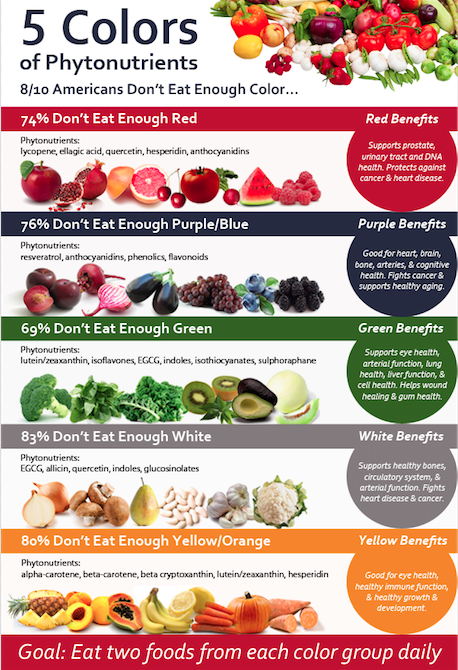
Besides nutrients, plant-based foods (legumes, vegetables, fruits, whole grains, nuts, seeds, and teas as well as herbs and spices) have another “crop” of naturally occurring compounds with potential health benefits. Collectively they’re called phytonutrients, meaning plant chemicals. “Phyto” means plant. Think fight for “phytos,” since they appear to promote health by sparking body processes that fight, or slow, the development of some diseases.  Why have phytonutrients captured our attention? Because of their potential for health promotion! Today consumers are more interested in positive nutrition and self-care: adding (not avoiding) foods that may enhance fitness, boost immunity, slow aging, and prevent or slow the chance for chronic disease. Sound like you? Research on phytonutrients is the new frontier in nutrition, as exciting today as vitamin discoveries were a hundred years ago!  Phytonutrients: What Role in Health? As public interest in phytonutrients soars, science i...

Why Flavonoids Are the Key to a Sharp Mind

Image
Recent research has again highlighted the importance of eating a wholesome whole foods diet. Fruits and vegetables are rich in flavonoids, bioactive compounds that have anti-inflammatory, antioxidant and cytoprotective properties, 1   known to benefit both body and brain. Flavonol-Rich Foods Slow Cognitive Decline In this particular study, 2  they analyzed the diets of 961 participants between the ages of 60 and 100, who were followed for an average of 6.9 years as part of the Rush Memory and Aging Project, to determine how diet affected cognitive ability in old age. None had signs of dementia at the onset of the study. Diet was reported using a semi-quantitative food frequency questionnaire, and cognitive performance was assessed annually through 19 standardized tests. As reported by the authors: 3 "Higher dietary intake of total flavonols and flavonol constituents were associated with a slower rate of decline in global cognition and mult...

Labels

Show more

Archive

Show more