Posts

Showing posts with the label chemotherapy

Ivermectin Tested against 28 types of Cancer: Most Sensitive vs Least Sensitive

Image
A research group from Mexico investigated Ivermectin in Cancer. This is the first study that has tested as many as 28 Cancer types with Ivermectin.  Paper: 2020 (Juarez et al) - Antitumor effects of ivermectin at clinically feasible concentrations support its clinical development as a repositioned cancer drug.  Ivermectin was tested at 2mg/kg/day which translates to roughly 5uM in vitro concentration. The most sensitive cancer cell lines were: 1. Ovarian 2. Breast 3. Glioblastoma 4. Lung Cancer 5. Colon Cancer 6. Uterine SCC 7. hepatocellular 8. breast TNBC 9. Pancreatic 10. Endometrial. Least sensitive were: 1. osteosarcoma 2. gastric 3. melanoma  Although lymphoma and leukemia cell lines appear to be more resistant to Ivermectin, Ivermectin has a significant impact on those cells' ability to form colonies. So yes, Ivermectin is useful against BOTH lymphomas and leukemias.  Ivermectin also goes after CANCER STEM CELLS, which tend to be resistant to chemotherapy: ...
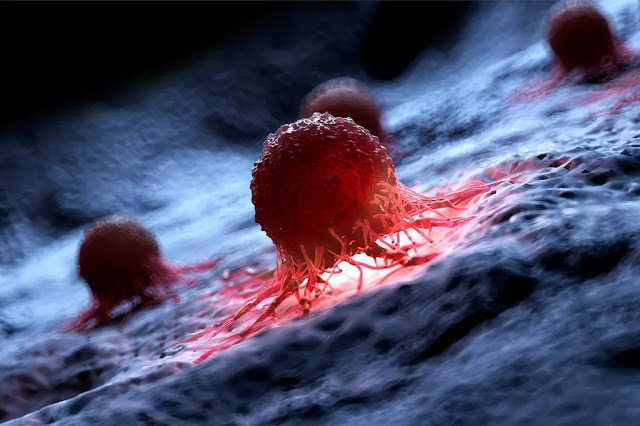
Immunotherapy vs. Chemotherapy vs Targeted Therapy: What's the Difference?

Image
Cancer treatment is no longer one-dimensional. For decades, chemotherapy dominated oncology.  Today, treatment may include chemotherapy, targeted therapy, immunotherapy — or carefully designed combinations of all three. Yet confusion persists. Patients often ask: Is chemotherapy outdated? Is immunotherapy safer? Is targeted therapy more effective? Why do some people respond dramatically while others do not? This guide explains the science, clinical evidence, benefits, risks, and real-world decision-making framework behind modern oncology — grounded in standards used by the National Comprehensive Cancer Network and the American Society of Clinical Oncology. What is immunotherapy? Cancer cells are abnormal cells that replicate uncontrollably. Normally, your immune system destroys abnormal cells, but many types of cancer ce...

Can Chemotherapy Spread Cancer? Exploring the Evidence (2025)

Image
Introduction Despite  trillions spent on cancer research  (Lancet 2023), cancer still  kills around 10 million people a year  and is a leading cause of death globally. The incidence of common cancers such as breast, lung, and colon cancer is expected to increase by over 75% between 2022 and 2050.  While treatment advances offer incremental improvements in survival, prevention strategies—particularly those related to diet and lifestyle —are under-utilised.  Ladanie et al  (JAMA 2020) showed that over the past fifteen years, new therapies have led to an overall survival improvement of 2.4 months, while  Del Paggio et a l (JAMA 2021) reported an improvement of 3.4 months over the past thirty years. Chemotherapy is a cornerstone of cancer treatment, designed to target and destroy rapidly dividing cancer cells. However, emerging research and discussions have raised concerns about its potential unintended effects, incl...

Labels

Show more

Archive

Show more