Posts

Showing posts with the label HBOT

Hyperbaric Oxygen Therapy (HBOT) in Cancer: Which Tumors Benefit Most?

Image
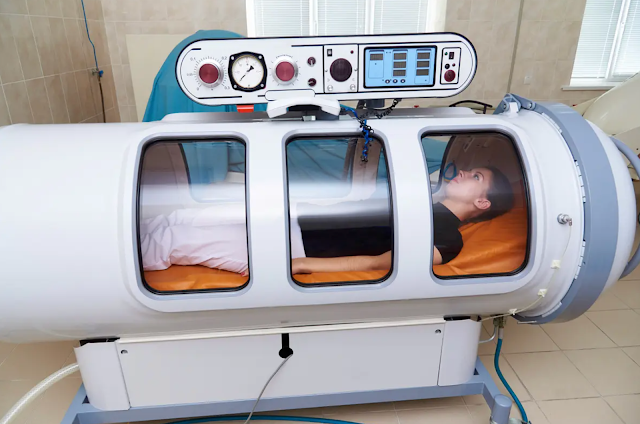
Introduction: Why Oxygen Matters in Cancer A  thorough understanding of the problem is half of the solution —and in cancer, one of the most overlooked problems is  tumor hypoxia  (low oxygen levels inside tumors). Hypoxia isn’t just a byproduct of tumor growth. It actively drives: Treatment resistance Metastasis Immune suppression Aggressive tumor behavior At the center of this process is Hypoxia-inducible factor 1-alpha (HIF-1α), a master regulator that helps cancer cells adapt and survive under low-oxygen conditions. This is where  hyperbaric oxygen therapy (HBOT)  comes in. Credit (1) What Is HBOT and How Does It Work? Hyperbaric oxygen therapy (HBOT) involves breathing 100% oxygen at elevated pressure, dramatically increasing oxygen delivery to tissues. Key anticancer mechanisms: Reverses tumor hypoxia Increases reactive oxygen species (ROS) → cancer cell stress Enhances radiotherapy effectiveness Improves drug penetration Reduces hypoxia-driven resistance...
Hyperbaric Oxygen Therapy (HBOT) — A Vastly Underused Treatment Modality

Image
While commonly used to speed up stubborn wounds and tissue infections, hyperbaric medicine can also be helpful in the treatment of infectious diseases such as post-COVID ( R ) .  It’s also enormously useful for stroke patients . I can't think of a more effective intervention than to get the stroke patient into a series of hyperbaric treatments as quickly as possible. (ViktoriiaNovokhatska/Shutterstock) What's Hyperbaric Oxygen Therapy? Hyperbaric medical therapy began in 1662 by placing patients in a pressurized chamber with regular air, but it would be another 100-plus years before pure oxygen was routinely used. Since then, it has been studied extensively and is currently approved by the U.S. Food and Drug Administration (FDA) for several specific conditions, including wound care, radiation injury, and more. Research and clinical trials are ongoing, exploring its potenti...

Ischemic Stroke: Signs, Symptoms and Treatment (2025)

Image
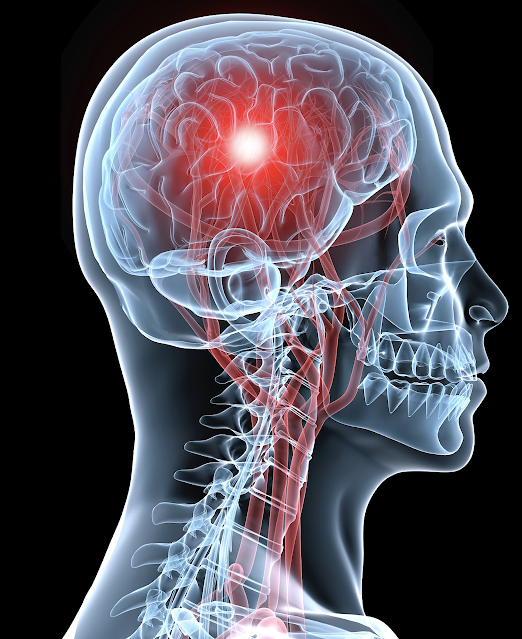
Strokes can be divided into hemorrhagic stroke and ischemic strokes, and approximately 80% of them are ischemic brain injury. Ischemic strokes are sometimes referred to as "brain attacks" (instead of "heart attacks") because they typically occur when a blood clot blocks an artery or blood vessel, cutting off blood flow to your brain, as opposed to your heart. (1) As a result, brain cells die and neurological damage can occur. Without proper and timely treatment, a stroke can be lethal. According to statistics published in 2020, 2  an estimated 795,000 strokes occur each year in the U.S., and in 2017, 146,383 Americans died as a result. However, new research in 2022 shows an 11% increase in new cases of stroke that cause brain bleeding, or intracerebral hemorrhage stroke, and at a faster rate in younger to middle-age people. 3 Stroke is also a leading cause of long-term disability in the U.S. 4  Worldwide, stroke is the second leading cause of deat...

Labels

Show more

Archive

Show more