Posts

Showing posts with the label diet and cancer

Colonoscopy: The Truth About That 10-year Follow-up Colonoscopy (Part 4)
Image
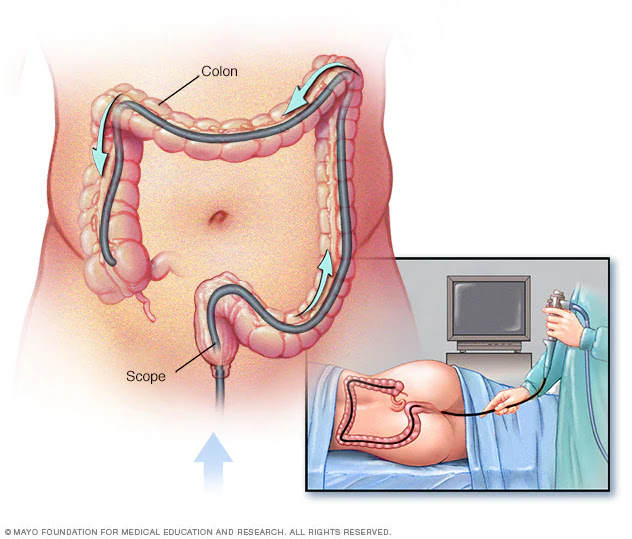
Researchers delving into the timing of subsequent colonoscopies found that for some people, the risks are no different if they wait 15 years instead of 10. The invasive and expensive nature of colonoscopies makes determining how to maximize their usefulness—particularly when it comes to follow-up screenings—a prominent topic of research. It’s undisputed that the surgical-based test can save lives, but the timing remains a moving target. Three years ago, the U.S. Preventive Services Task Force lowered the recommended age for the first colorectal cancer screening by five years—from 50 years of age to 45. Now, the gap between the first and second tests is being scrutinized. Long-term data used in a JAMA Oncology study published May 2, 2024 suggests it may be time to move the follow-up screening back five years in certain circumstances. Specifically, the study indicates that anyone who doesn’t have a family history of colorectal cancer and whose first colonoscopy was free of polyps—abnorm...

Thomas Seyfried Cancer Treatment Protocol: Ketogenic Diet That Starves Cancer - A Comprehensive Guide (2026)

Image
Executive Summary Dr. Thomas N. Seyfried , Professor of Biology at Boston College, proposes a metabolic model of cancer that challenges the dominant genetic explanation and conventional oncology treatments. Rather than viewing cancer as primarily driven by gene mutations, Seyfried asserts it is fundamentally a metabolic disease centered on dysfunctional cellular energy production. This reframing draws on and expands the historical Warburg effect , emphasizing how cancer cells rely on fermentative metabolism of glucose and glutamine due to defective mitochondrial function.  A 2026 large-scale population study published in Nature Communications demonstrated that machine learning-predicted insulin resistance was associated with increased risk of 12 cancer types in nearly 500,000 individuals from the UK Biobank. This finding strengthens a growing thesis: Metabolic dysfunction is not merely a comorbidity — it may be a central modifiable axis in oncogenesis. Standard of Care: T...

Labels

Show more

Archive

Show more