Posts

Showing posts with the label SLE

Mebendazole for Systemic Lupus Erythematosus? New 2026 Study Sparks Interest in Repurposed Autoimmune Treatments

Image
A newly published 2026 study has reignited interest in an unlikely candidate for autoimmune disease treatment: Mebendazole. Best known as an inexpensive anti-parasitic drug used for worm infections, mebendazole is now attracting attention for its potential immune-modulating and anti-inflammatory properties. The excitement follows a new preclinical paper published in Scientific Reports that investigated mebendazole in a mouse model of systemic lupus erythematosus (SLE). The study was amplified on X by William Makis (@MakisMedicine), whose thread summarized the findings and generated significant engagement among patients interested in repurposed drugs and autoimmune disease research. But how promising are these findings really? And what does the science actually say? What Is Lupus (SLE)? Systemic Lupus Erythematosus (SLE), commonly called lupus, is a chronic autoimmune disease in which the immune system mistakenly attacks the body’s own tissues. Lupus can affect: Kidneys Skin Joints Br...
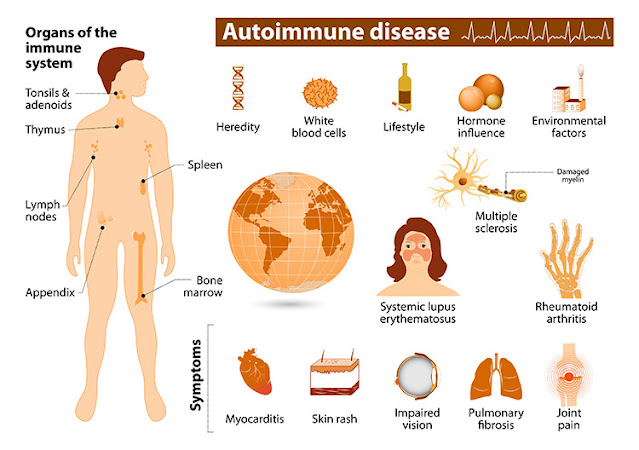
Scientists Find a Cause of Lupus and a Way to Potentially Reverse It (2025)

Image
Patients with lupus have an imbalance in a crucial chemical pathway in their bodies, according to a Nature study published on Wednesday. Researchers found  (Nature) that this imbalance produces more disease-causing cells that promote lupus. If this chemical imbalance can be corrected, they believe lupus can be reversed. Current lupus treatments often target symptoms or broadly suppress the immune system, leading to side effects. The researchers believe targeting the specific chemical imbalance identified could more effectively treat lupus without systemic immunosuppression interventions. Lupus is a chronic autoimmune disease that causes the body to attack its own tissues and organs, including the joints, skin, kidneys, blood cells, brain, heart, and lungs. There is currently no cure for lupus. A Surprising ‘Molecular Switch’ The chemical that researchers identified is the aryl hydrocarbon receptor (AHR). AHR is a key protein involved in the imbalance of immune cells in lupus patien...

Systemic Lupus Erythematosus: Personalized Care to Improve and Resolve Symptoms

Image
In more than 20 years of working with autoimmune patients, one of the most diverse autoimmune diseases I have encountered is lupus. Because it can affect so many different parts of the body, it can be difficult to diagnose and manage. It can also have more serious effects on health, such as when the blood vessels are involved, something I illustrate in my patient case below. Lupus is more formally known as systemic lupus erythematosus (SLE). Although researchers have identified multiple types of lupus, the truth is that lupus manifests in different ways for different people. Because lupus is an autoimmune attack against DNA, the disease can manifest in the joints, the brain, the skin, the organs, or other tissues. That’s what makes it so difficult to diagnose. For instance, someone with undiagnosed lupus and joint pain may see a rheumatologist, but tests for rheumatoid arthritis come back negative. Or they may have elevated kidney markers, but the labs aren’t bad enough for further tes...

Glutathione Benefits for Lupus

Image
Lupus, also known as systemic lupus erythematosus (SLE), is a disease of the immune system. Normally, the immune system protects the body from infection. In lupus, however, the immune system inappropriately attacks tissues in various parts of the body. This abnormal activity leads to organ damage and symptoms such as fatigue, joint pain, rashes and fever. Parts of the body frequently affected by lupus include the skin, kidneys, heart and vascular system, nervous system, connective tissues, and musculoskeletal system. The exact cause and mechanism of this disease remain unknown, however, this illness is characterized by increased chronic inflammation and diminished antioxidant defenses. Glutathione (pronounced glue-ta-thigh-own), is a substance naturally produced by our cells from the amino acids glycine, cysteine, and glutamate. Glutathione is present in significant amounts in all our cells, which points to its importance in healthy cell function. This hardworking molecule acts as a ma...

Labels

Show more

Archive

Show more