Posts

Showing posts with the label antibiotics

Fluoroquinolone Alert: The Common Medication That Could Lead to Irreversible Health Conditions

Image
In 2011, Lesley Yates, a vibrant mother and teacher’s aide, suffered a medical crisis after receiving a routine antibiotics prescription for a suspected urinary tract infection. The aftermath left her with severe tendon injuries, culminating in a premature transition to permanent disability at the age of 54. Several doctors and experts dismissed her symptoms, Ms. Yates told The Epoch Times. Her story highlights the critical but underreported adverse effects associated with fluoroquinolone antibiotics—and the medical problems that arise in the absence of clear warnings of their risks. “I feel like a 90-year-old in a 50-year-old body,” Ms. Yates told The Epoch Times. (The Epoch Times) Fluoroquinolones: Potency and Risk Fluoroquinolones, including ciprofloxacin (Cipro), levofloxacin (Levaquin), and moxifloxacin (Avelox), are powerful antibiotics designed to battle various bacterial infections—from urinary tract and respiratory infections to dermatological conditions. Fluoroquinolones are ...

Barbara O'Neill: Germs and the True Cause of Disease (Part 2)

Image
Summary In this video, Barbara O'Neill discusses the true cause of disease, focusing on the role of microbes and their ability to adapt and adjust to their environment. She emphasizes the importance of creating a healthy environment for the body to function optimally. Highlights 🔍 Microbes change roles according to their environment, and their presence is influenced by the conditions they are exposed to. 💊 Antibiotics have saved lives, but their overuse can lead to antibiotic resistance and disrupt the balance of microbes in the body. 🌿 Natural remedies, such as garlic, grapefruit seed extract, and olive leaf extract, can help kill harmful microbes without harming the body. 🚽 Proper elimination through the colon is essential for overall health, and techniques like using a squatty potty can improve bowel movements. 💦 Adequate hydration and fresh air are important for healthy kidneys and lungs. ...

Majority of COVID Hospital Deaths Were Due to Untreated Bacterial Pneumonia?

Image
Secondary bacterial infection of the lung (pneumonia) was extremely common in patients with COVID-19, affecting almost half the patients who required support from mechanical ventilation. By applying machine learning to medical record data, scientists at Northwestern University Feinberg School of Medicine found that secondary bacterial pneumonia that does not resolve was a key driver of death in patients with COVID-19. It may even exceed death rates from the viral infection itself. The scientists also found evidence that COVID-19 does not cause a " cytokine storm ," so often believed to cause death. The study was published in the  Journal of Clinical Investigation . "Our study highlights the importance of preventing, looking for and aggressively treating secondary  bacterial pneumonia  in  critically ill patients  with severe pneumonia, including those with COVID-19," said senior author Dr. Benjamin Singer, an associate professor of medicine at Northwestern Unive...

Fluoroquinolones Linked to Fatal Heart Condition

Image
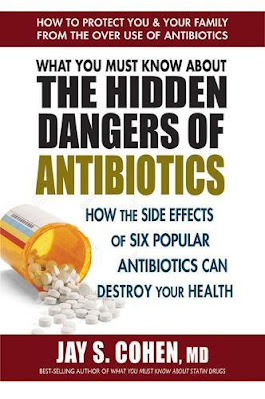
Research shows your body’s microbiome has nearly 39 trillion bacteria.[[1] During early years, your family, dietary intake and environmental exposure contribute to the variety in your microbiome, influencing your lifelong health. Everyday activities such as brushing your teeth, eating, kissing someone or handling a family pet also affect your microbiome. Buy on Amazon This composition may be as distinct to you as a fingerprint and plays an enormous role in disease prevention, and influences the function of your skin, lungs, breast and liver.[2] Harmful bacteria can trigger illness and disease, which is frequently treated with antibiotics. Of the 10 most commonly prescribed, two are from the antibiotic class of fluoroquinolones.[3] The Food and Drug Administration (FDA) first added a boxed warning to fluoroquinolones in 2008, due to the increased risk for tendinitis and tendon rupture.[4] Boxed warnings, also referred to as black box warnings, appear on prescription drug labels designed...

Labels

Show more

Archive

Show more