DMSO (Dimethyl Sulfoxide): How to Find Doctors Familiar With Its Clinical Applications (2026 Flagship Authority Guide)
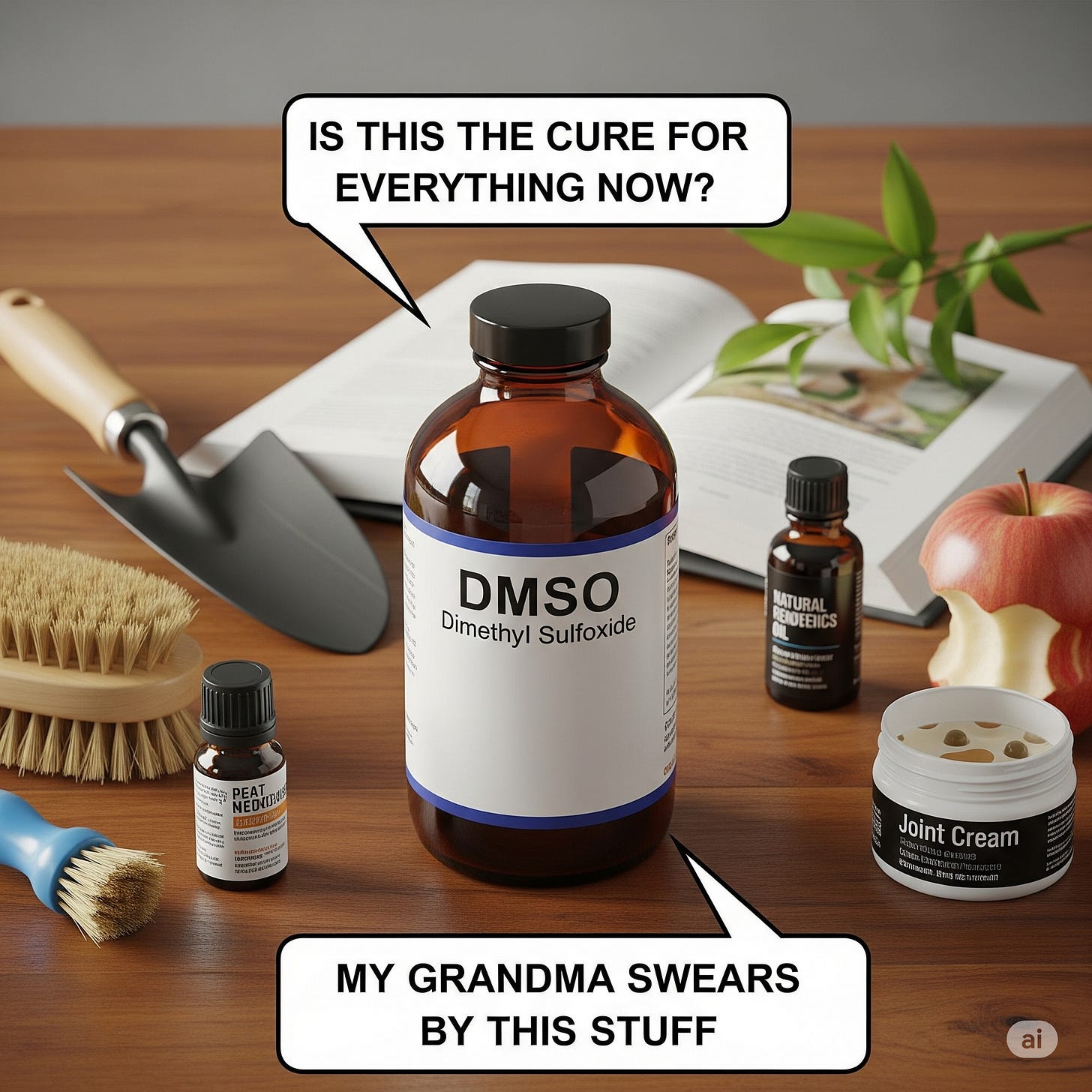
Dimethyl sulfoxide (DMSO) is one of the most controversial and misunderstood compounds in modern integrative medicine. First synthesized in the 19th century and widely studied in the mid-20th century, DMSO has been described as:
A powerful anti-inflammatory agent
A membrane-penetrating solvent
A free-radical scavenger
A cryoprotective compound used in stem cell preservation
A pharmaceutical carrier
Despite decades of research, DMSO has only one FDA-approved medical indication in the United States: intravesical treatment of interstitial cystitis.
👉 FDA drug database:
https://www.fda.gov/drugs
👉 Memorial Sloan Kettering Cancer Center (DMSO overview):
https://www.mskcc.org/cancer-care/integrative-medicine/herbs/dimethyl-sulfoxide
Outside of this approval, DMSO is used off-label by some integrative, naturopathic, and functional medicine practitioners for pain, inflammation, musculoskeletal injury, scar tissue modulation, and in some cases as an adjunctive therapy in cancer-support protocols.
This flagship guide provides a comprehensive, evidence-aware, medically responsible analysis covering:
What DMSO is and how it works
FDA-approved vs. off-label uses
Clinical evidence across indications
Cancer-related discussions and what evidence actually shows
Safety considerations
How to responsibly locate practitioners
Red flags and ethical boundaries
International considerations
Research gaps and future directions
This article is informational and does not constitute medical advice.
1. What Is DMSO?
DMSO (dimethyl sulfoxide) is an organosulfur compound derived from lignin processing in the paper industry. It is highly polar and uniquely capable of penetrating biological membranes rapidly.
Its properties include:
High solubility
Rapid skin absorption
Anti-inflammatory effects
Analgesic activity
Free radical scavenging
Cryoprotective capacity (used in stem cell preservation)
In laboratory and pharmaceutical settings, DMSO is widely used as a solvent for drug delivery and cell preservation.
2. FDA-Approved Medical Use
Interstitial Cystitis (IC)
The only FDA-approved medical use of DMSO in the U.S. is for bladder instillation in patients with interstitial cystitis.
Brand name: Rimso-50
Mechanism in IC may involve:
Anti-inflammatory effects
Smooth muscle relaxation
Collagen modulation
Analgesic activity
👉 FDA drug approval database:
https://www.accessdata.fda.gov
The treatment involves direct instillation into the bladder by a trained clinician.
This approval does not extend to:
IV use
Oral use
Topical systemic use
Cancer treatment
3. Evidence Landscape: Approved vs. Off-Label Uses
Below is a graded overview of the evidence quality.
Strong Evidence
✔ Interstitial cystitis (FDA-approved)
Moderate to Limited Evidence
• Topical musculoskeletal pain
• Local inflammation
• Scleroderma (small historical studies)
• Radiation injury mitigation (limited small trials)
Weak or Anecdotal Evidence
• Cancer adjunct therapy
• “Detoxification”
• Systemic immune modulation
• Chronic autoimmune disease reversal
Major academic centers urge caution.
👉 MSKCC evidence summary:
https://www.mskcc.org
Health Canada has previously warned about unapproved DMSO products marketed for broad claims.
👉 Health Canada advisories:
https://www.canada.ca/en/health-canada
4. Mechanisms of Action
DMSO has several biologically plausible mechanisms:
1. Anti-Inflammatory Effects
Inhibits inflammatory cytokines and prostaglandins in experimental settings.
2. Free Radical Scavenging
Acts as a hydroxyl radical scavenger.
3. Membrane Penetration
Facilitates transdermal absorption of other compounds.
4. Cryoprotection
Protects cells during freezing—widely used in stem cell storage.
5. Microcirculatory Effects
May alter blood flow and reduce edema.
While mechanistically interesting, biological plausibility does not equal clinical efficacy.
5. DMSO in Cancer Discussions: What Is Actually Known?
Some integrative clinics describe DMSO as:
An anti-inflammatory tumor microenvironment modulator
A carrier for other agents
A radiosensitizer or chemosensitizer
However:
There are no large randomized trials demonstrating survival benefit.
It is not included in guidelines from:
National Comprehensive Cancer Network (NCCN)
American Society of Clinical Oncology (ASCO)
👉 NCCN Guidelines:
https://www.nccn.org/guidelines
👉 ASCO Guidelines:
https://www.asco.org/research-policy/guidelines
DMSO is not FDA-approved for cancer treatment.
Any cancer-related use should be considered experimental.
6. Why Some Integrative Clinics Offer DMSO IV Therapy
Some integrative practitioners cite:
Historical research from the 1960s–1980s
Anti-inflammatory potential
Synergistic use with vitamin C or other IV nutrients
These clinics may advertise:
DMSO IV drips
Pain-reduction protocols
Detoxification support
However, IV DMSO is off-label and not standardized.
7. How to Find Doctors Familiar With DMSO
There is no centralized DMSO registry. Patients must search within broader integrative networks.
A. Functional Medicine Directory
👉 Institute for Functional Medicine (IFM):
https://www.ifm.org/find-a-practitioner
B. Naturopathic Physicians
👉 American Association of Naturopathic Physicians (AANP):
https://naturopathic.org/search/custom.asp?id=5613
C. IV Therapy Clinics
👉 IV Therapy Directory:
https://ivtherapydirectory.com
D. Manufacturer-Linked Listings
👉 PharmaDMSO directory:
https://pharmadmso.com
Always independently verify licensing:
👉 Federation of State Medical Boards:
https://www.fsmb.org
8. Clinics Publicly Advertising DMSO Therapies
Inclusion below does not imply endorsement.
• Center for New Medicine – https://cfnmedicine.com
• Integrative Naturopathic Medical Centre – https://integrative.ca
• Origin Health Center – https://originhealthcenter.com
• Natural Family Health Clinic – https://naturalfamilyhealthclinic.com
• Immunity Therapy Center (Mexico) – https://immunitytherapycenter.com
• Lody Health Klinik (Bali) – https://lodyhealth.com
Verify:
Medical licensing
Emergency preparedness
Monitoring protocols
Transparency regarding risks
9. Online Communities
Patients often discuss DMSO on:
Facebook
Reddit
X
Moderated discussions can be found at:
👉 Mayo Clinic Connect:
https://connect.mayoclinic.org
Online experiences may be helpful for perspective—but they do not replace medical supervision.
10. Safety Considerations
Common Side Effects
Garlic-like breath/body odor
Skin irritation
Headache
Dizziness
GI upset
Potential Risks
Drug interactions
Liver strain (especially IV use)
Enhanced absorption of contaminants through skin
Hypersensitivity reactions
Never use industrial-grade DMSO.
11. Red Flags When Evaluating Clinics
Be cautious if a clinic:
Claims DMSO cures cancer
Advises stopping standard therapy
Provides no risk documentation
Refuses collaboration with your primary physician
Lacks informed consent paperwork
Responsible care includes transparency and monitoring.
12. Telemedicine and International Clinics
Some clinics offer teleconsultations.
International medical tourism considerations:
Regulatory oversight differences
Follow-up challenges
Legal protections
Insurance coverage gaps
Always assess logistical safety before travel.
13. Psychological Context: Why Interest Persists
DMSO has an unusual history:
Early promising research
Regulatory caution
Online resurgence
Patients seeking DMSO often desire:
Greater control
Non-pharmaceutical alternatives
Adjunctive support
Acknowledging these motivations allows respectful, balanced discussion.
14. Ethical Framing
There are three responsible positions:
DMSO has legitimate approved use.
Off-label uses require informed consent and medical oversight.
Claims of cure without high-quality evidence are not scientifically justified.
Ethical practice requires:
Clear disclosure
Risk-benefit discussion
Avoidance of exaggerated claims
15. Clinical Trials and Research Gaps
To explore formal research:
👉 ClinicalTrials.gov
https://clinicaltrials.gov
Search terms:
“dimethyl sulfoxide”
“DMSO inflammation”
“DMSO interstitial cystitis”
Current research gaps include:
Large randomized controlled trials
Standardized IV dosing studies
Drug interaction mapping
Cancer-specific survival endpoints
16. Balanced Bottom Line
DMSO is:
✔ A legitimate FDA-approved therapy for interstitial cystitis
✔ A biologically active compound with anti-inflammatory properties
✔ Widely used in laboratory science
But:
✘ It is not FDA-approved for cancer
✘ Evidence for systemic IV use remains limited
✘ Large clinical trials are lacking
If considering DMSO:
Start with your primary physician.
Verify practitioner credentials.
Ensure pharmaceutical-grade sourcing.
Demand transparent risk disclosure.
Avoid clinics making cure claims.
Conclusion
DMSO occupies a unique place in medical history—part mainstream, part alternative, part investigational.
It deserves neither blind dismissal nor uncritical enthusiasm.
Its future role—if any beyond interstitial cystitis—will depend on:
Rigorous trials
Standardized protocols
Transparent safety reporting
Reproducible outcomes
Until then, DMSO should be approached with informed caution, scientific literacy, and careful medical supervision.
Editorial Disclaimer
This article is for informational purposes only and does not constitute medical advice. Always consult licensed healthcare professionals before making treatment decisions.
.png)

.png)
.png)

.png)


Comments
Post a Comment