Posts

Showing posts from December, 2025

Reducing Oxidative Stress in the Lens Protects Against Cataracts

Image
Cataracts are a condition that makes the lens of the eye cloudy, causing blurred vision, much like looking through a foggy window or a smudged camera lens. This occurs due to protein buildup in the eye's lens. Without treatment, cataracts gradually worsen, leading to more vision loss and, eventually, blindness. (1) Cataracts usually develop with age, and they're very common among older adults. Statistics show that more than half of Americans aged 80 or older either have a cataract or have undergone cataract surgery. Besides aging, other risk factors include heavy alcohol use, smoking, diabetes, exposure to harmful substances, certain medications and eye injuries. (2) Currently, about 24.4 million Americans over age 40 are affected by cataracts, and this number is expected to double to about 50 million by 2050 (3). In response to this growing challenge, researchers at the University of Auckland, New Zealand, explored new strategies for cataract treatment by minimizing oxidativ...

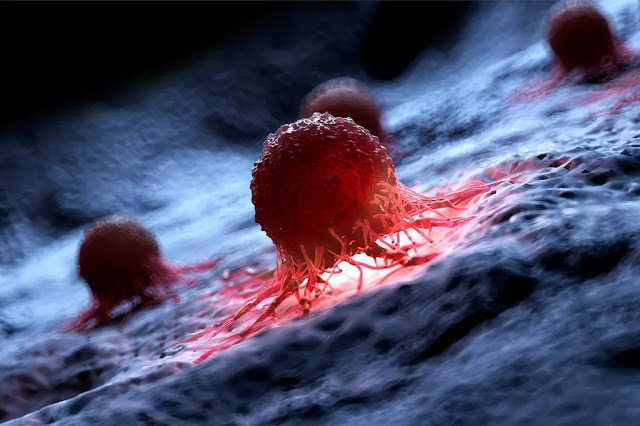
Aspirin: The 75-Milligram Secret that Outsmarts Cancer Cells

Image
Aspirin is a staple in medicine cabinets worldwide, known primarily for its pain-relieving and anti-inflammatory properties. However, recent research is shedding light on a potentially game-changing role for this common medication: cancer prevention and treatment. (1) While aspirin's anticancer properties have been hinted at in various studies over the years (2), this function has largely been overlooked in favor of newer, more expensive drugs. Now, groundbreaking experiments are not only reaffirming aspirin's potential in fighting cancer but also uncovering a more potent analog that could revolutionize our approach to cancer treatment. This forgotten function of aspirin, and its even more powerful cousin, may offer new hope in the battle against one of humanity's most persistent health challenges. Let's explore the exciting developments that are causing researchers to take a fresh look at this familiar drug. Aspirin and Cancer: Introducing 2,6-Di...

Why Pepcid Is the Only H2 Blocker Worth Taking (2025)

Image
A 70-year-old man lay unconscious, his body wracked with tremors, fever spiking to over 104 degrees Fahrenheit, his heart pounding at 150 beats per minute (1). Minutes earlier, he had received a common pain medication — meperidine — following a routine procedure. What followed was serotonin syndrome, a life-threatening reaction marked by agitation, muscle rigidity and collapse of neurological function. Available on Amazon But what stunned physicians wasn't the rapid onset. It was the equally rapid reversal of symptoms after an IV injection of famotidine, a heartburn drug better known by its brand name: Pepcid. Most people think of Pepcid as a mild over-the-counter acid reducer, but its effects go far beyond your digestive tract. Research from the Korean Journal of Anesthesiology revealed something unprecedented: famotidine halted serotonin syndrome fast. Mental clarity returned within 15 minutes. Tremors and even dangerously high blood pressure all faded without the need for sedat...

Labels

Show more

Archive

Show more