Immunotherapy vs Chemotherapy vs Targeted Therapy: What's the Difference?
Today, treatment may include chemotherapy, targeted therapy, immunotherapy — or carefully designed combinations of all three.
Yet confusion persists.
Patients often ask:
Is chemotherapy outdated?
Is immunotherapy safer?
Is targeted therapy more effective?
-
Why do some people respond dramatically while others do not?
This guide explains the science, clinical evidence, benefits, risks, and real-world decision-making framework behind modern oncology — grounded in standards used by the National Comprehensive Cancer Network and the American Society of Clinical Oncology.
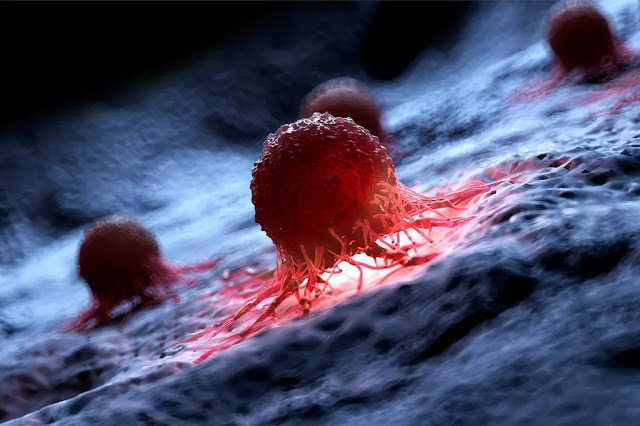
What is immunotherapy?
Cancer cells are abnormal cells that replicate uncontrollably. Normally, your immune system destroys abnormal cells, but many types of cancer cells are able to hide from your immune system.Cancer cells may be able to hide from your immune system by:
- having genetic changes that reduce their visibility
- containing proteins that turn off your immune cells
- changing cells around the tumor so that they interfere with your immune response.
Immunotherapy helps your immune system recognize and destroy cancer cells
Immunotherapy drugs help your immune system recognize cancer and destroy it. The ultimate goal of immunotherapy is to create a group of T cells that specifically target cancer. T cells are a special type of white blood cell that attacks foreign invaders.Immunotherapy is a growing area of research. Many scientists are optimistic it could lead to breakthroughs in cancer treatment.
How immunotherapy drugs are delivered
Types of immunotherapy drugs
Immunotherapy drugs can be divided into several categories depending on how they specifically target your immune system.- Immune checkpoint inhibitors. These drugs block immune checkpoints. Immune checkpoints are part of your natural immune response that keeps your immune system from being too aggressive.
- T-cell transfer therapy. This type of treatment enhances the ability of your T cells to recognize and attack cancer cells.
- Monoclonal antibodies. Monoclonal antibodies are proteins that bind to cancer cells and mark them for your immune system.
- Treatment vaccines. Treatment vaccines help boost your immune system’s response to cancer cells.
- Immune system modulators. Immune system modulators either generally enhance your immune system or enhance a specific part of your immune system.
.png "Immunotherapy vs. Chemotherapy")
What is chemotherapy?
Chemotherapy is a chemical drug therapy that helps keep cancer cells from
replicating. The first chemotherapy drugs were developed around the
1940s.Chemotherapy helps stop cancer cells from replicating
Chemotherapy helps treat cancer by:
- decreasing the number of cancer cells in your body
- reducing the chances of the cancer spreading or returning
- shrinking tumors
- reducing your symptoms
How chemotherapy is delivered
Chemotherapy drugs can be administered in a number of ways, such as:
- orally
- through an IV
- through injections
- into the fluid between your brain and spinal cord
- directly into an artery
- directly into your abdominal cavity
- topically
Chemotherapy is used to target a wide range of types of cancers. However, the chemicals in chemotherapy drugs can also damage healthy cells, which leads to common side effects like hair loss and nausea.
Types of chemotherapy drugs
There are at least
- your age and health
- the type of cancer you have
- how far it’s progressed
- if you’ve previously received chemotherapy treatment
Chemotherapy-Associated Febrile Neutropenia (Oncologic Emergency)
Febrile neutropenia is a life-threatening complication of chemotherapy and requires immediate hospital evaluation.
It occurs when chemotherapy suppresses white blood cell production (especially neutrophils), leaving the body unable to fight infections.
Guidelines from the American Society of Clinical Oncology and the National Comprehensive Cancer Network classify febrile neutropenia as an oncologic emergency.
What Is Neutropenia?
Neutrophils are white blood cells that fight bacteria and fungi.
Chemotherapy can cause:
Absolute neutrophil count (ANC) below 500 cells/µL
Severely impaired immune response
Even minor infections can rapidly become sepsis.
Definition of Febrile Neutropenia
Single oral temperature ≥ 38.3°C (101°F)
ORTemperature ≥ 38.0°C sustained for one hour
PLUSNeutropenia (low neutrophil count)
This is a medical emergency — even if the patient “feels fine.”
Why It Is Dangerous
Patients with neutropenia:
May not show classic infection signs
May not produce pus
May deteriorate rapidly
Have high risk of bloodstream infections
Delay in antibiotics significantly increases mortality.
Warning Signs in Chemotherapy Patients
Any chemotherapy patient who develops:
Fever
Chills
Sore throat
New cough
Burning urination
Mouth sores
Unexplained weakness
Must contact their oncology team immediately or go to the emergency department.
What Chemotherapy Patients Must Do If They Develop FeverIf a chemotherapy patient develops:
Fever
Chills
Sore throat
New cough
Painful urination
Mouth ulcers
Sudden weakness
They must:
Contact their oncology team immediately.
Go to the nearest hospital emergency department (open 24/7) immediately.
Inform staff: “Recent chemotherapy with fever.”
Do NOT:
Wait overnight
Self-treat with leftover antibiotics
Assume it is a mild infection
Delay care
Early IV antibiotics save lives.
Hospital Treatment Includes
Immediate broad-spectrum IV antibiotics
Blood cultures
IV fluids
Possible growth factor support (e.g., G-CSF)
Hospital admission for monitoring
Early treatment significantly improves survival.
Why Cancer Patients Are at Higher Risk for Sepsis
Cancer patients are vulnerable due to:
Chemotherapy-induced immune suppression
Radiation damage to mucosal barriers
Indwelling catheters
Surgical wounds
Malnutrition
Sepsis in cancer patients carries higher mortality than in the general population.
Distinguishing Fever in Cancer Patients
In a healthy individual, mild fever may not require emergency care.
In a chemotherapy patient:
Any fever is an emergency until proven otherwise.
This principle must be emphasized in patient education.
Key Takeaways for Oncology Patients and Caregivers
Keep a thermometer at home
Check temperature if feeling unwell
Do not self-medicate with antibiotics
Do not delay hospital evaluation
Inform emergency staff about recent chemotherapy
Rapid recognition saves lives.
Immunotherapy vs chemotherapy: What are the similarities and differences?
Length of action
Chemotherapy stops working once the drugs are no longer administered. Immunotherapy can potentially stimulate your immune system to continue fighting cancer even after treatment has stopped.When you first start treatment, chemotherapy has the potential to have an almost immediate effect on shrinking a tumor. Immunotherapy often takes longer to take effect.
Side effects
Chemotherapy targets cells that rapidly divide, such as cancer cells, but it can also damage other cells in your body that rapidly divide such as hair, skin, blood, and intestinal cells.
Damage to these cells can lead to many potential side effects such
as nausea, hair loss, and mouth sores. The
Many immunotherapy side effects come from overactivation of your immune system. Mild side effects can include nausea, flu-like symptoms, or a reaction at the injection site. In more serious cases, it can cause your immune system to attack your organs.
Cost
The cost of chemotherapy and immunotherapy can vary widely based on factors such as how long you need treatment, what type of cancer you have, and how far your cancer has spread.
A 2020 study published in the Journal of Clinical Oncology sought to compare the average cost of checkpoint inhibitors — which is a type of immunotherapy — versus chemotherapy in patients dealing with lung cancer.
Targeted Therapy — Precision Medicine in Action
The Rise of Molecular Oncology
With genomic sequencing advances, researchers discovered that certain cancers are driven by specific genetic mutations.
Targeted therapy aims at those molecular drivers.
Instead of killing all dividing cells, these drugs block specific pathways that fuel tumor growth.
Mechanisms of Targeted Therapy
Targeted drugs may:
Inhibit receptor tyrosine kinases
Block intracellular signaling proteins
Interfere with angiogenesis
Target mutated proteins
Examples include:
EGFR inhibitors
HER2 inhibitors
BRAF inhibitors
ALK inhibitors
These drugs are often administered orally.
Biomarker Testing: A Prerequisite
Unlike chemotherapy, targeted therapy requires:
Molecular profiling
Mutation confirmation
Biomarker positivity
Without the matching mutation, the drug is unlikely to work.
This is why molecular testing is now embedded in standard oncology workflows under guideline frameworks.
Strengths of Targeted Therapy
Higher selectivity
Often fewer systemic side effects
Dramatic responses in mutation-positive cancers
Convenience (oral dosing)
For patients with actionable mutations identified through molecular profiling, targeted therapies are the preferred treatment approach. These include:
PARP inhibitors for BRCA mutations,
NTRK inhibitors,
immune checkpoint inhibitors (e.g. pembrolizumab, dostarlimab) for MSI-H/dMMR,
KRAS G12C inhibitors,
anti-HER2 agents, and
BRAF/MEK inhibitors.
Melanoma: Immunotherapy and targeted treatments are now the primary tools. Chemotherapy is rarely used.
Chronic Myeloid Leukemia (CML): Oral tyrosine kinase inhibitors like imatinib allow most patients to live normal lifespans without chemotherapy.
Chronic Lymphocytic Leukemia (CLL): Targeted drugs like venetoclax and BTK inhibitors are commonly used first-line. Chemotherapy is now the exception.
MSI-High Colorectal and Endometrial Cancers: Immunotherapy can provide long-lasting responses for patients with mismatch repair deficiency.
ER+ Breast Cancer (Low Oncotype DX Score): Hormonal therapy alone is often appropriate when genomic testing shows a low recurrence risk.
PD-L1 High Non-Small Cell Lung Cancer: Single-agent immunotherapy may be more effective and better tolerated than chemotherapy in selected patients.
Advanced Prostate Cancer: Hormone-targeting agents like enzalutamide and abiraterone are now preferred over chemotherapy in many cases.
Kidney Cancer: Most patients now receive immunotherapy and VEGF inhibitors, not chemotherapy.
Liver Cancer (HCC): The combination of atezolizumab and bevacizumab has become a standard first-line treatment.
Multiple Myeloma: Treatment now often starts with monoclonal antibodies and other targeted agents, reducing the need for traditional chemotherapy.
Limitations
Resistance commonly develops
Only effective in biomarker-selected populations
Not universally curative
Can still cause serious side effects.
Related: KRAS, EGFR, TP53 by Cancer Type: Lung, Colon, and Pancreas Mutation Map (Patient Guide 2026)
Comparing the Three — Mechanism and Strategy
Mechanistic Differences
Chemotherapy: Directly toxic to dividing cells.Targeted therapy: Disrupts specific molecular abnormalities.
Immunotherapy: Reactivates immune surveillance.
Selectivity Spectrum
Least selective → Most selective:
Chemotherapy → Immunotherapy (immune-dependent) → Targeted therapy (mutation-specific)
Durability of Response
Chemotherapy: Often temporary in advanced disease
Targeted therapy: Dramatic but resistance emerges
Immunotherapy: Fewer responders, but potentially long-lasting benefit.
Why Combination Therapy Is Now Standard
Modern oncology frequently combines:
Chemotherapy + immunotherapy
Targeted therapy + chemotherapy
Dual immunotherapy
Chemotherapy may:
Increase tumor antigen release
Enhance immune activation
Reduce tumor burden rapidly
Large Phase III trials determine whether combinations become standard practice under guidelines.
Consult with a doctor when considering these treatments
Discuss with your doctor the best treatment option for your particular situation. Your doctor can explain the advantages and disadvantages of each treatment and explain how to best integrate them in a holistic treatment plan.
Final Perspective: Where Does Metabolic Therapy Fit?
Cancer treatment has evolved dramatically — from broad cytotoxic chemotherapy to precision targeted drugs and immune checkpoint inhibitors. Yet one biological feature unites most cancers regardless of type: metabolic reprogramming.
Nearly a century ago, Otto Warburg observed that cancer cells preferentially use glycolysis for energy production even in the presence of oxygen — a phenomenon now known as the Warburg effect. Modern oncology has confirmed that altered glucose metabolism, mitochondrial dysfunction, and abnormal signaling through insulin and growth pathways are common features across many malignancies.
This has led to growing interest in metabolic therapy — approaches designed to disrupt cancer’s fuel supply or metabolic flexibility.
Metabolic strategies generally fall into three categories:
-
Dietary Interventions
Ketogenic or low-carbohydrate diets
Caloric restriction or fasting-mimicking approaches
Time-restricted feeding
-
Metabolic Modulating Drugs
Metformin
2-deoxyglucose
Dichloroacetate
Repurposed agents under investigation
-
Hormonal and Insulin Signaling Modulation
Addressing hyperinsulinemia
Targeting IGF-1 pathways
Managing obesity-related metabolic drivers
Unlike chemotherapy, which directly damages DNA, or immunotherapy, which activates T cells, metabolic therapy aims to create an environment less favorable for tumor growth.
Where It Stands in Evidence
It is important to separate biological plausibility from clinical proof.
Major guideline bodies such as the National Comprehensive Cancer Network and the American Society of Clinical Oncology do not currently recommend metabolic therapy as a standalone standard-of-care treatment.
However:
-
Metformin has epidemiologic and emerging interventional data suggesting benefit in certain cancers.
-
Early trials of ketogenic diets show feasibility and possible synergy with radiation or chemotherapy.
-
Fasting protocols have shown promise in reducing chemotherapy toxicity in small studies.
Most metabolic approaches remain adjunctive or investigational, not replacements for evidence-based therapies.
Potential Role: Complementary, Not Substitutive
A balanced clinical perspective suggests metabolic therapy may have three potential roles:
-
Adjunct to Standard Therapy
Supporting chemotherapy, targeted therapy, or immunotherapy through metabolic stress enhancement. -
Toxicity Reduction Strategy
Fasting or metabolic modulation may reduce chemotherapy-related side effects in selected patients. -
Prevention and Recurrence Risk Reduction
Addressing obesity, insulin resistance, and chronic inflammation may lower long-term risk.
It is critical that patients do not abandon proven treatments in favor of unproven metabolic protocols without oncologic supervision.
The Integrated Oncology Future
The future of oncology is unlikely to be “chemotherapy versus immunotherapy versus metabolic therapy.” Instead, it will likely involve layered or stacking strategies:
Cytotoxic backbone (when necessary)
Precision molecular targeting
Immune modulation
Metabolic environment optimization
Cancer is not a single-pathway disease. It adapts, evolves, and resists. A multi-dimensional strategy acknowledges this biological complexity. The most promising direction is not ideological — it is integrative and evidence-driven.
The Bottom Line
Chemotherapy kills rapidly dividing cells.
Targeted therapy blocks
specific molecular drivers.
Immunotherapy unleashes the immune
system.
Metabolic therapy attempts to change the terrain in which
cancer grows.
Frequently Asked Questions
Is immunotherapy safer than chemotherapy?
Generally yes, but it carries unique autoimmune risks.
Can immunotherapy cure cancer?
In some cases (e.g., melanoma), long-term remission is possible.
Why doesn’t immunotherapy work for everyone?
Tumor biology and immune environment vary.
Is targeted therapy better than chemotherapy?
Only if the tumor has the targetable mutation.
Sources and References:
Comments
Post a Comment