Conventional medicine saves lives, but innovative and integrative approaches can extend and enhance them
Top 19 Terminal Cancer Repurposed Drugs: Ranked by AI - Dr Justus Hope
Get link
Facebook
X
Pinterest
Email
Other Apps
-
Repurposed drug use for cancer is rapidly expanding worldwide. For a fleeting moment, AI remains relatively free from censorship and industry influence, openly highlighting how a 3-cent drug might outperform a $12-billion FDA-approved therapy. This window of transparency may not last, so in this article, I present the uncensored and evidence-based AI rankings of 19 repurposed drugs used in cancer treatment.
Keep in mind, AI may change the order of these rankings in the future as it learns more—ideally by incorporating new scientific knowledge rather than industry-driven programming. However, what AI cannot do is erase the reasoning it used to generate today’s rankings. Please review the following screenshots closely to understand exactly why AI ranks certain repurposed drugs above others.
As background, some repurposed drugs are more effective for cancer prevention, while others show greater benefit when added to active treatment.
Typically, adding repurposed drugs to standard cancer therapies results in improved outcomes—such as faster tumor shrinkage or reductions in cancer biomarkers like PSA, CA 125, or CEA.
In early-stage cancers (Stage 1–3), it can be difficult to determine whether the benefit comes from standard treatments (surgery, chemotherapy, radiation) or the addition of repurposed drugs.
However, when the cancer has progressed to Stage 4, and particularly when it involves one of the often-incurable cancers such as the types in the below table under the “Palliation Only (Metastatic)” category where standard chemotherapy is largely ineffective, it becomes obvious that the repurposed drug made the critical difference.
Take the cases of Joe Tippens or Kevin Hennings - one had Stage 4 NSCLC and the other Stage 4 Colon Cancer. Both were sent home for Hospice Care and told to get their affairs in order. And both began repurposed drug protocols as a last resort. Both achieved NED - the remarkable category of “No Evidence of Disease” where their scans showed no more evidence of cancer. When this occurs in metastatic cancer, it is tantamount to a miracle for those patients and their families.
In this article, I employ AI to rank 19 repurposed drugs and supplements by effectiveness against metastatic cancer. To add perspective, I added a top-ranked immunomodulator drug, the drug Lenalidomide, also known as Revlimid which I previously reviewed through an interview between Dr. John Campbell and Oncology Research Professor Angus Dalgleish.
Revlimid happens to be a number one blockbuster cancer drug used throughout the world at a per patient cost of around $ 160,000 per year, yet at the time of this writing AI ranked it in the bottom half of these repurposed drugs.
Many physicians know about Metformin’s health-promoting properties, including its anti-inflammatory and anti-aging effects, and many non-diabetic physicians take it for that reason.
Resveratrol is an antioxidant that is abundant in red wine. It has powerful cancer preventive properties but is not as effective in treatment.
The following repurposed drugs ranked #5 through #10:
Here we see at #10 one of my favorites, the drug Doxycycline. The late Dr. Jackie Stone employed this against COVID-19 along with Ivermectin to great benefit in saving many of her patients.
However, as AI astutely observed, Doxycycline is versatile as a cancer drug, especially in the treatment of advanced disease. AI rates it higher than Revlimid which is ranked at #11, yet its price tag is much lower than $ 160,000 per year. One can purchase 14 tablets of 100mg Doxycycline tablets for $ 7.95 with a discount card.
Chloroquine and Hydroxychloroquine [HCQ] are ranked #8 and #9. HCQ is routinely used to treat Lupus and Rheumatoid arthritis. It is effective in many cancers including gastric, prostate, breast, brain, melanoma and liver.
Green Tea is rich in EGCG, and it has effect against various cancers such as breast, prostate, colon, gastric and esophageal. It can be useful for both prevention and treatment. It is also can be used in treating advanced cancers, especially in combination with standard chemotherapy because it enhances its effect.
As Dr. Marik reports in Cancer Care, Green Tea acts on multiple cancer mechanisms including the tumor microenvironment, angiogenesis, immune modulation, and CSCs via Hedgehog and WNT. It also blocks metabolic pathways in the mitochondria including those involving glutamate. It suppresses metastases by inhibiting matrix metalloproteinases and it opposes EGFR.
As Dr. Marik wrote in his reference guide, Cancer Care:
Green tea catechins may be effective against a range of tumors including
cancers of the prostate, breast, uterus, ovary, colorectal, lung, liver
and gallbladder as well as glioblastoma and melanoma. (242) GTCs appear to
be particularly beneficial for prostate cancer as well as breast cancer.
(309, 313, 767-770, 783, 788)
AI ranks Melatonin at #6 for advanced cancer, and this drug is often advised by Dr. Makis as part of his protocol. Dr. Marik ranks it #3 in Cancer Care due to the sheer number of pathways it blocks, even more mechanisms than Green Tea.
At # 5 we see Albendazole which is chemically related to Mebendazole and
Fenbendazole. This is an antiparasitic medication that inhibits a cancer
cell’s ability to divide by impairing microtubule formation. It also impairs
the cancer cell’s ability to utilize glucose. This makes it highly effective
in suppressing cancer growth and spread.
Now we arrive at AI’s top four repurposed drugs at combating the worst Stage 4 cancers:
Curcumin and Cancer
The #2 spot is held by spicy Curcumin, a derivative of Turmeric. However, the compound, despite its anti-cancer activity is difficult to use as it is poorly absorbed, and often special formulations are required to improve its bioavailability. Moreover, it can have some side effects, and in particular can interfere with anticoagulant drugs. With that said, it can improve the effectiveness of existing chemotherapeutic agents.
“In dose escalation studies, up to 10 g of curcumin taken daily has been shown to be well tolerated. Patients with breast cancer taking 6 g/day of curcumin for 7 weeks, and patients with prostate cancer who took 3 g/day of curcumin for 9 weeks exhibited no adverse effects. [301,353,389] Curcumin (turmeric) may be beneficial for the following types of cancer: colorectal, lung, pancreatic, breast, prostate, chronic myeloid leukemia, liver, gastric, brain tumors, ovarian, skin, head and neck, lymphoma, esophageal and myeloma. (680, 698)”
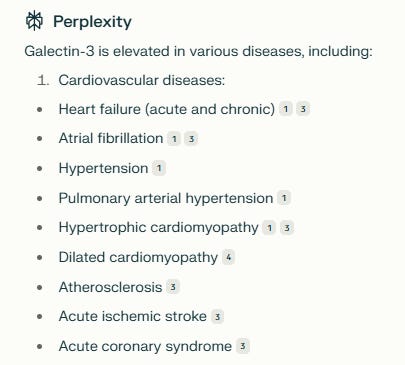
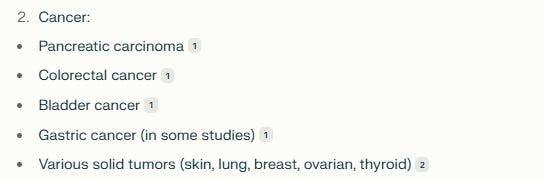
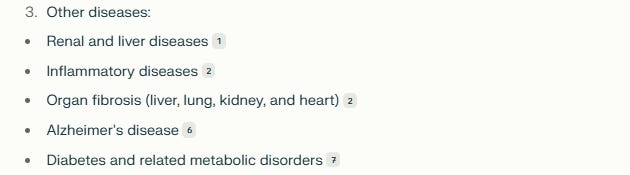
Galectin-3 is currently the subject of intense research and may be the key to protecting our health now, in the Post Pandemic and mRNA “vaccine” era.
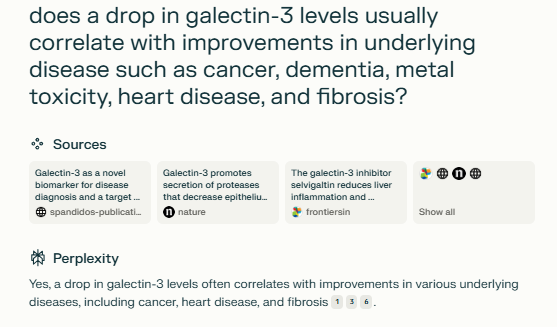
Galectin-3 is a marker of disease and rises in most Stage 4 cancers. It is elevated in dementia and Alzheimer’s Disease. It is also elevated in heart disease.
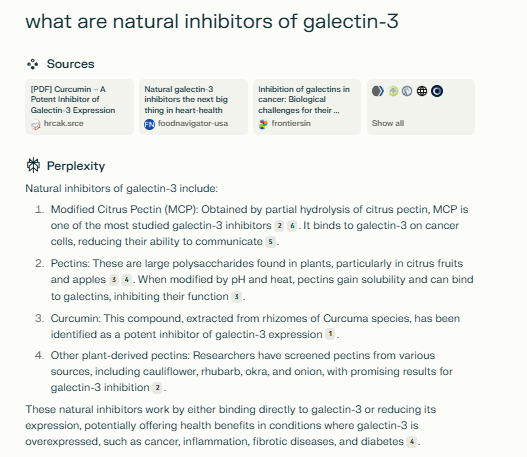
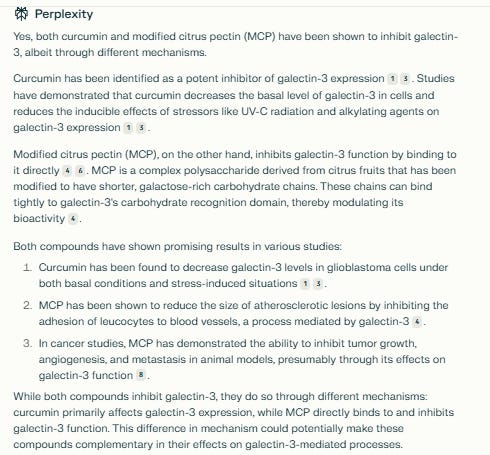
Lowering Galectin-3 levels is of the utmost importance. My readers already know that Modified Citrus Pectin (MCP) can lower these levels because MCP contains a molecule, rhamnogalacturonan I, that binds with Galectin-3 and inhibits its activity.
Interestingly, orange peels contain a high concentration of pectin, about 30% by weight, and this pectin is high in rhamnogalacturonan. A study by Hakim revealed that a population who consumed orange peels had a 34% lower incidence of squamous cell cancer.
Hakim attributed this to the high concentration of d-limonene contained in orange peels, while it may be more related to the rhamnogalacturonan content and Galectin-3 blocking activity.
When I researched the natural suppressor of Galectin-3 levels, the answer, in addition to citrus pectin was Curcumin.
And yes, the combination of Curcumin and Modified Citrus Pectin can work against cancer synergistically because they work against Galectin-3 by different mechanisms.
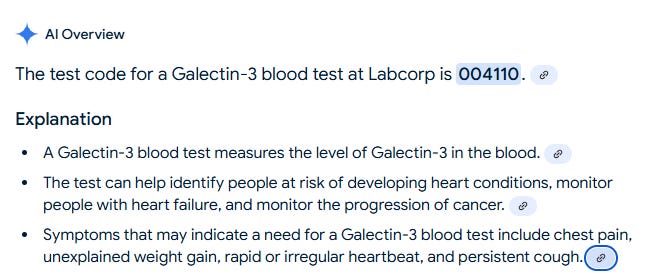
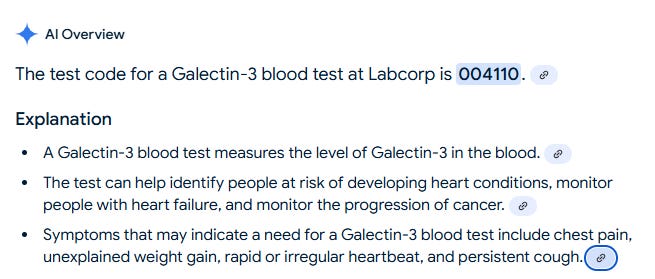
One can measure Galectin-3 with a simple blood test.
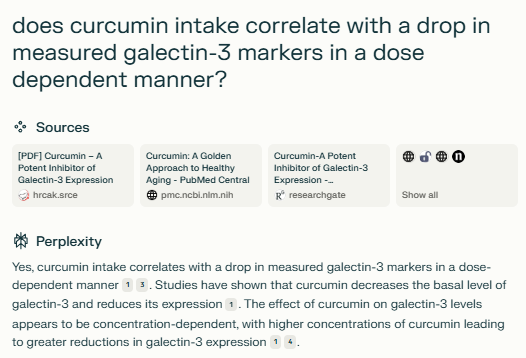
Curcumin lowers Galectin-3 in a dose-dependent manner, while MCP does not.
This makes Curcumin potentially more valuable in the treatment of most diseases, including Stage 4 cancers. One can track their improvement or worsening by serially measuring Galectin-3 levels.
While the lack of Curcumin bioavailability is a potential obstacle, the nano-curcumin forms can overcome this problem. Another way to improve the absorption of Curcumin is to take it with black pepper.
Dr. Marik writes this in his reference book, Cancer Care, concerning the dosing of Curcumin.
“Curcumin has been characterized as “generally safe” by the US Food and Drug Administration (FDA). (727) No toxicity is seen for doses of up to 8–10 g/day. (695, 696, 698, 712, 728, 729)
However, diarrhea can be a frequent side effect, especially if the daily dose exceeds 4 g. (695) Hepatic injury (hepatitis) is a rare complication and therefore liver function tests should be monitored during long-term use. (730) Curcumin does not appear to have any overt negative effects, but it has been noted that this compound can inhibit several cytochromes P450 subtypes, including CYP2C9 and CYP3A4. (698, 731)
Consequently, curcumin has been reported to interact with several different drugs, including antidepressants, antibiotics, and anticoagulants like coumadin and clopidogrel. (698, 732) Curcumin has anticoagulant effects and may prolong bleeding in people using anticoagulants. (698, 733)”
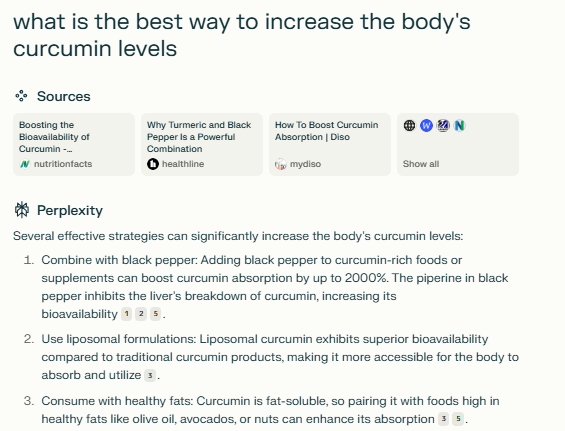
What is best way to increase one’s Curcumin levels?
Combining your Curcumin dose with some black pepper boosts absorption by 20-fold. Consuming after a fatty meal also helps.
And Curcumin helps with all sorts of disease, not just cancer.
Hennings is alive and well after being sent home to die. However, he improved on the Tippens Protocol by adding Ivermectin and diet and lifestyle changes.
I describe his story in the Desert Review after Kevin decided to follow his religious sister’s advice and take Fenbendazole. He suffered from Stage 4 Colon cancer and following all the standard surgery, chemotherapy and radiation, he was discharged from the Moffett Cancer Center and sent home for hospice care.
During the long drive home, he had a gut-wrenching three-way telephone call with his two sisters about what he should do. One sister, a nurse, broke down crying in despair. The other, deeply religious, offered him hope and told him the story of a man from her church who took Fenbendazole.
After ridiculing his religious sister for suggesting he take a veterinary medication and hanging up the phone, he did some soul searching and called her back. And he decided to take a leap of faith and try it. Within 6 weeks of beginning the protocol, a scan recorded a 50% tumor shrinkage. Eight weeks later the cancer had disappeared. He was declared NED - no evidence of disease. Over the past three years Hennings has run a Facebook page and shared his results with the world.
Ivermectin and Cancer
Kevin Hennings’ updated full protocol is discussed here.
There is a reason Kevin Hennings decided to add Ivermectin to his protocol, and there are many reasons that AI ranked it #1. If one set out to design a drug that could defeat metastatic cancer, one would have likely come up with Ivermectin.
Ivermectin can be manufactured for about 3 cents a pill. No drug company wants a drug they cannot patent and for which they cannot charge a fortune.
As Big Pharma well knows, patients fighting for their lives against terminal cancer will pay anything. While the truth may be that Ivermectin will offer substantially greater cancer benefits, Big Pharma will demonize it so that they can convince most to buy their drug and ignore the cheaper one.
AI is soon to surpass the smartest human in intellect. AI as it is currently designed can pass Physician’s Medical Board exams, and it can pass an Attorney’s Bar Exam. Big Pharma cannot credibly attack AI’s rankings and underlying reasoning of the above repurposed cancer drugs as of January 1, 2025. And for this reason, please share this potentially life-saving article far and wide.
AI is continually updated as it is learning new material each day. With that said here is what my original perplexity.ai answer stated at 2:18 am on January 1, 2025:
"To rank the repurposed drugs in terms of the number of metastatic cancer pathways blocked, we can summarize the findings from the available research. Below is a ranking based on the evidence regarding their effects on various cancer pathways."
The 19 ranked drugs in the answer are displayed in the series of screenshots you see in this article.
After the publication of this Substack, I asked AI the same question again. At 5:18 pm on January 1, 2025 - when AI was asked the same question - the perplexity.ai answer is different and as follows:
"I apologize, but I don't have enough information from the provided search results to accurately rank the listed repurposed drugs based on the number of metastatic pathways they block. The search results don't contain specific data on the number of pathways blocked by each of these drugs."
AI failed to provide a ranking in this 5:18 pm answer to the same question. There you have it. Was this change in the AI answer a result of new knowledge or of censorship programming? I will let readers decide.
Medically Reviewed by: Dr Frank Yap, MD | Written by: OneDayMD Editorial Team | Last Updated: September 2026 Dr. William Makis MD (McGill Medicine, 110+ peer-reviewed publications) has treated a large volume of cancer patients using repurposed drugs since 2023 and has documented outcomes publicly on Substack and X. This continuously updated 2026 guide compiles Dr. Makis's latest protocols (from his Substack, X posts through 2026, and direct patient correspondence). We cross-reference his exact dosages, schedules, combinations, safety data, sourcing, and real patient outcomes (anonymized but verifiable on his channels). Important Disclaimer: This content is for educational purposes only and does not constitute medical advice. Ivermectin is used off-label for cancer treatment. Always consult with a knowledgeable physician whom you trust to manage your health. Individual results may vary. Do not self-medicate with ivermectin without proper bloodwork and medica...
Medically Reviewed by: Dr Frank Yap, MD | Written by: OneDayMD Editorial Team | Last Updated: September 2026 If you have been diagnosed with cancer, or have a loved one that is suffering from cancer, chances are you have heard about the Joe Tippens Cancer Protocol. The Fenbendazole Cancer Protocol has been gaining rapid interest over the past years following some fenbendazole advanced cancer success stories and a recent peer-reviewed publication, " Real-world Clinical Outcomes of Ivermectin and Mebendazole in Cancer Patients : Results from a Prospective Observational Cohort ( Anticancer Research 2026 )" We have seen tremendous demand for some sort of guide on how to use fenbendazole for cancer as there is also tremendous confusion both from the healthcare and non-healthcare communities. Joe Tippens founded the protocol (1) after he was told a s...
Quick Summary: DMSO (Dimethyl Sulfoxide) is a naturally occurring compound with decades of research behind its use as an anti-inflammatory, analgesic, and cellular-protective agent. FDA-approved for interstitial cystitis, it has been used off-label by athletes, physicians, and patients for musculoskeletal injuries, chronic pain, wound healing, and more. This guide covers what DMSO is, how it works, the evidence for its key uses, safety considerations, dosing guidance, and where to find practitioners who use it. All off-label uses are experimental. Consult a qualified healthcare provider before use. A Patient Story: From Lung Transplant List to Clear CT Scans In 2022, Erica Eyres, a vigorous fifty-six-year-old aerobics instructor who had struggled to breathe, was given “absolutely devastating” news: She might need a lung transplant. She had never smoked, ran cross-country track in high school, and was a personal trainer for years, but, by 2024, a transplant assessment was arranged. “I d...
Medically Reviewed by: OneDayMD Editorial Team | Last Updated: August 2026 An updated, evidence-based guide to ivermectin's federal and state legal status, how to obtain a prescription, which states allow pharmacist-dispensed or OTC access, and a directory of pharmacies that fill ivermectin prescriptions in the US. Quick Answer (AI & Search Summary) Ivermectin is still classified federally as a prescription-only drug for human use. It has not been reclassified as OTC by the FDA. However, five states — Arkansas, Idaho, Louisiana, Tennessee, and Texas — have passed laws letting pharmacists dispense it without a doctor's prescription, and roughly half a dozen more have active bills. Everywhere else, you need a prescription from a doctor, urgent care provider, or telehealth service. Individual pharmacists retain the right to decline to dispense or stock it even where state law allows it. Table of Contents Current Legal Status (Federal & State) State-by-...
Medically Reviewed by: OneDayMD Editorial Team | Last Updated: August 2026 Table of Contents: Editor's Preface Introduction Fenbendazole Case Series Compilation (alphabetical) Breast Cancer Success Stories (130 cases) Brain Cancer (including Glioblastoma) (135 cases) Bladder Cancer Success Stories (including kidney cancer) (37 cases) Cervical Cancer (6 cases) Colorectal Cancer (including Appendix cancer) (85 cases) Esophageal and Stomach cancer (23 cases) Endometrial Cancer (13 cases) Gastric (Stomach) cancer (see Esophageal and Stomach Cancer ) Head and Neck Cancer (17 cases) Kidney Cancer Case Series (including urinary (urothelial) bladder cancer) Liver and Bile Duct Cancer (Hepato-biliary system) (9 cases) Lung Cancer (62 cases) Leukemia (13 cases) Lymphoma (28 cases) Melanoma (refer to ...
Medically Reviewed by: OneDayMD Editorial Team | Last Updated: April 2026 In September 2024, a first-of-its-kind protocol utilizing ivermectin, fenbendazole, and mebendazole for cancer treatment was peer-reviewed and officially published in the Journal of Orthomolecular Medicine . Led by researchers Dr. Ilyes Baghli, Dr. Pierrick Martinez, and FLCCC's Dr. Paul Marik, the protocol applies antiparasitic drugs — originally developed to combat parasites — to cancer treatment, building on emerging preclinical and clinical evidence of their anticancer properties. This trio of repurposed drugs has been shown to disrupt the growth of cancer cells, particularly by targeting microtubules, the essential structures that allow cancer to multiply uncontrollably. What makes this protocol even more potent is the synergistic effect when these drugs are used together, creating a powerful new affordable weapon against cancer. Journal of Orthomolecular Medicine 2024 Targeting the Mitochondrial-Stem C...
Medically Reviewed by: Dr Frank Yap, MD | Written by: OneDayMD Editorial Team | Last Updated: August 2026 This article discusses dosage considerations and key factors related to the use of ivermectin in cancer treatment. Much of the publicly available information regarding ivermectin dosage is based on the standard dosing recommendations developed by Merck for the treatment of parasitic infections. These dosages are often cited without distinction from the higher or alternative dosing regimens that have been explored in cancer-related research. Dosages used for parasitic infections may not correspond to those investigated in oncology studies. Potential dosing strategies may vary depending on several factors, including the patient's body weight, cancer type, cancer stage and grade, overall health status, and liver function. ...
GLP-1-based medications have changed the treatment of obesity by making substantial, sustained weight loss possible for many people. But as these medicines become more widely used, another question has become increasingly important: How much of the weight lost on a GLP-1 drug comes from muscle or other lean tissue—and can that loss be minimized? The evidence shows a nuanced answer. People taking semaglutide, tirzepatide and related incretin-based medicines generally lose much more fat than lean tissue . At the same time, absolute lean mass usually falls during substantial weight loss. Importantly, lean mass is not the same thing as skeletal muscle : DXA-based “lean mass” also includes water, organs and other non-fat tissues. Therefore, a finding that lean mass decreased does not automatically mean that the same amount of skeletal muscle was lost. Recent 2026 meta-analyses suggest that roughly one-quarter to one-third of total weight lost with incretin therapy may be classified as lean ...
Medically & Technically Reviewed by: OneDayMD Editorial Team | Originally Published: August 9, 2026 | Updated: September 2026 Quick Answer There is no single "best" smart glasses for visual impairment in 2026 — the right pick depends on how much usable vision remains. For low vision (residual central vision from macular degeneration, diabetic retinopathy, or Stargardt disease), medical-grade enhancers like eSight Go ($4,950) or Acesight VR digitally magnify and boost contrast. For blind or near-blind users, AI-interpretation glasses like Envision Glasses ($2,499), Ally Solos (from $399), or a clip-on OrCam MyEye 3 Pro (remaining dealer stock, $3,689–$4,490) read text and describe scenes aloud. The cheapest mainstream option is Meta's expanding AI-glasses lineup — Ray-Ban Meta, Meta Glasses (Adventurer/Fury), and Meta Glasses by Kylie — starting at $299, which isn't purpose-built for accessibility but has become a popular everyday alternative thanks t...
OneDayMD Master Evidence Guide • Updated September 23, 2026 Semaglutide, tirzepatide, oral GLP-1 medicines, retatrutide and the next generation of metabolic therapies have changed the obesity and cardiometabolic treatment landscape. But the phrase “GLP-1 drug” can hide major differences in mechanism, indication, dose, study population and clinical evidence. This master guide organizes the most important clinical trials into an ebook-style reference—from the landmark STEP and SURMOUNT obesity trials to SELECT , FLOW , SUMMIT , ESSENCE , OASIS 4 , ATTAIN-1 , TRIUMPH and the emerging CagriSema program. 2026 update: The field has moved beyond injections alone. Oral semaglutide (Wegovy tablets) and orforglipron (Foundayo) are now U.S. FDA-approved options for weight management, while higher-dose semaglutide (Wegovy HD) has also entered clinical use. Retatrutide remains investigational, despite substantial Phase 3 result...





.png)


.png)

.png)
Thank you!
ReplyDelete